Iran’s Drone Attacks Strain Tensions between Baku and Tehran

Executive Summary: Iranian drones launched from Iranian territory struck Azerbaijan’s Nakhchivan Autonomous Republic on March 5, damaging civilian infrastructure near the international airport and a school. Baku condemned the attack as terrorism and demanded explanations, an apology, and accountability from Tehran. Azerbaijan rejected Iran’s denial of responsibility, citing technical monitoring confirming the drones’ Iranian origin….

Read more

Opinion: The South Caucasus caught between two wars

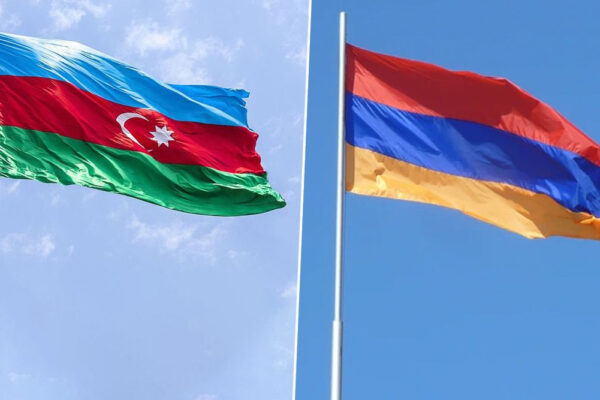
The South Caucasus managed the geopolitical rivalries surrounding it remarkably well in 2025. Despite intensifying global competition and conflicts raging beyond its borders, the region avoided major military escalation and even made notable progress toward stability. For the first time in more than three decades, there were no deadly interstate clashes among the three South…

Read more

Rusif Huseynov contributed chapter to a newly published book — Turkey in Eurasia: Endeavors and Encounters

Rusif Huseynov contributed chapter to a newly published book — Turkey in Eurasia: Endeavors and Encounters. He is co-author of Chapter 11: “Political Economy of Turkey’s Policies in Eurasia,” alongside Anar Valiyev and Shujaat Ahmadzada. This book provides an analysis of Turkish foreign policy towards Eurasia in the post-Soviet era. Focussing on the sub-regions of the…

Read more

NORTHERN VECTOR THREATS AND AZERBAIJAN’S POST-WAR STRATEGIC RESILIENCE

The 44-day Patriotic War fundamentally recalibrated the power dynamics in the South Caucasus, redefining regional influence mechanisms. Particularly along the northern axis, the traditional architecture of geopolitical oversight has been significantly disrupted. Current threats are less about direct military confrontation and more about multi-layered, coordinated influence operations designed to shape political, economic, and informational environments….

Read more

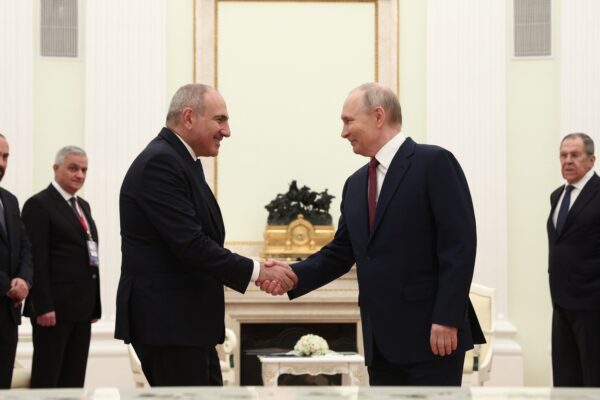
Baku and Yerevan View Vance’s Visit as Expansion of U.S. Engagement

Executive Summary: U.S. Vice President J.D. Vance’s February 9–11 visit to Armenia and Azerbaijan marked Washington’s most consequential engagement in the South Caucasus since the August 2025 peace summit. In Yerevan, Vance advanced a landmark U.S.–Armenia nuclear cooperation deal, backed AI technology and defense sales, and promoted TRIPP connectivity. In Baku, he signed a Strategic…

Read more

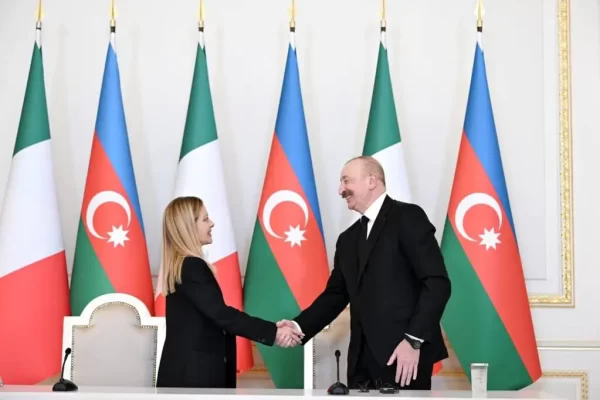
From Shatterbelt To Strategic Pivot: U.S.-Azerbaijan Strategic Partnership As A Blueprint For Caucasian Peace – OpEd

Situated at the crossroads of civilizations, cultures, and major transportation corridors stretching from east to west and north to south, and endowed with significant natural resources, the South Caucasus has historically occupied a central position in the geopolitical calculations of both regional and global powers. It is therefore no coincidence that American scholar Saul Bernard…

Read more

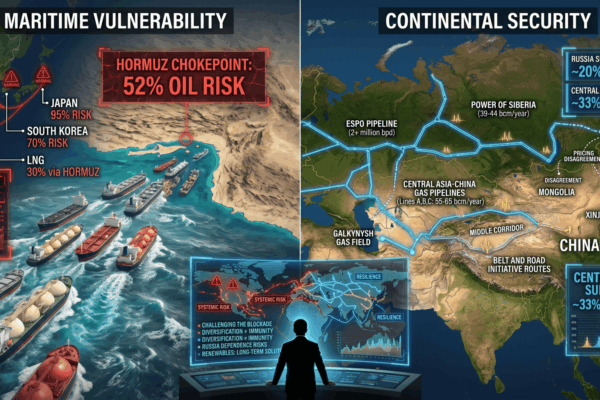
Measuring Strategic Pressure and Global Energy Risks in the Strait of Hormuz in 2026

The Strait of Hormuz returned to the center of global strategic risk calculations following the launch of the “Smart Control of the Strait of Hormuz” exercise on February 16, 2026. During the drill, the commander of the Islamic Revolutionary Guard Corps Navy publicly stated that Iranian forces could close the waterway “upon orders from the…

Read more