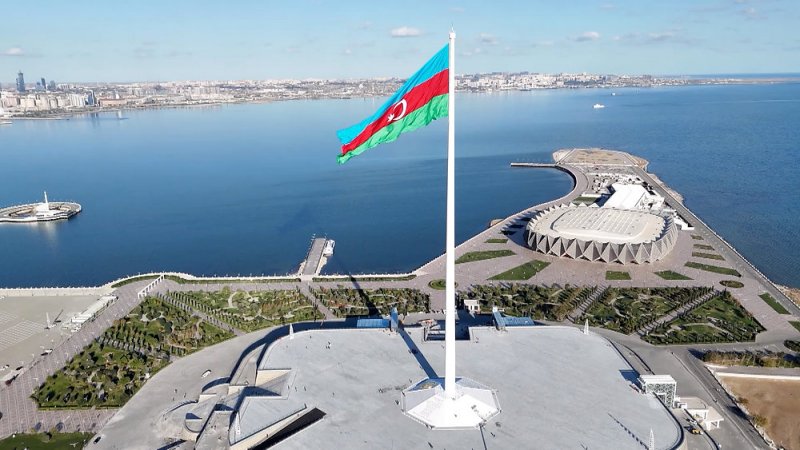
Between fortress and open door: Azerbaijan’s policy on security, secularism and hybrid warfare
Editor’s note: Farid Shafiyev is the chairman of the Baku-based Center of Analysis of International…

|

|

|

|
Editor’s note: Farid Shafiyev is the chairman of the Baku-based Center of Analysis of International…
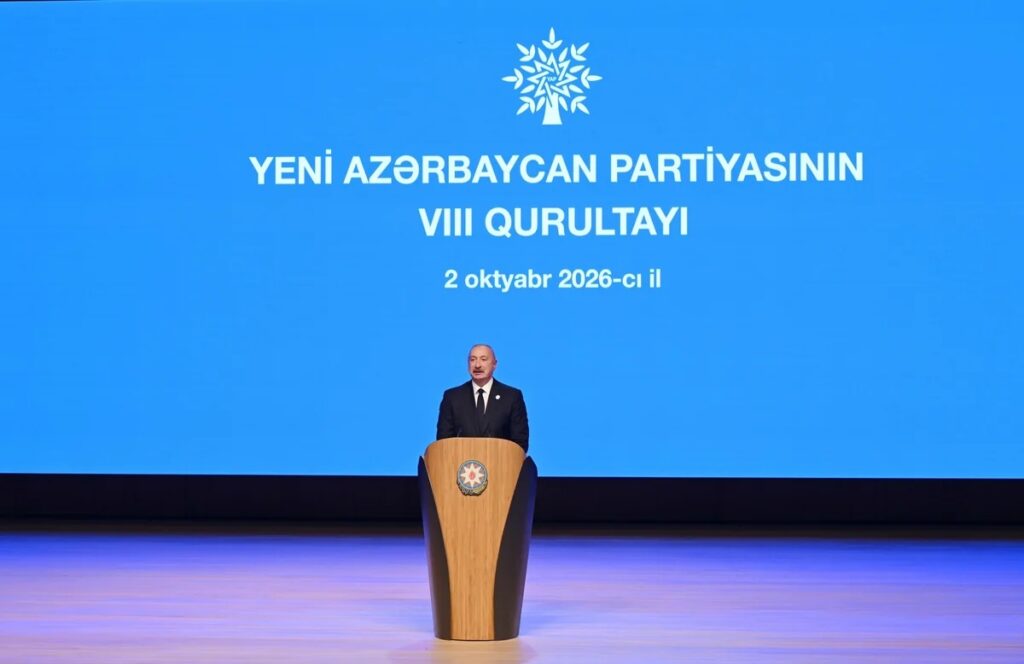
Azerbaijani President Ilham Aliyev addressed the 8th Congress of the New Azerbaijan Party (YAP) in…
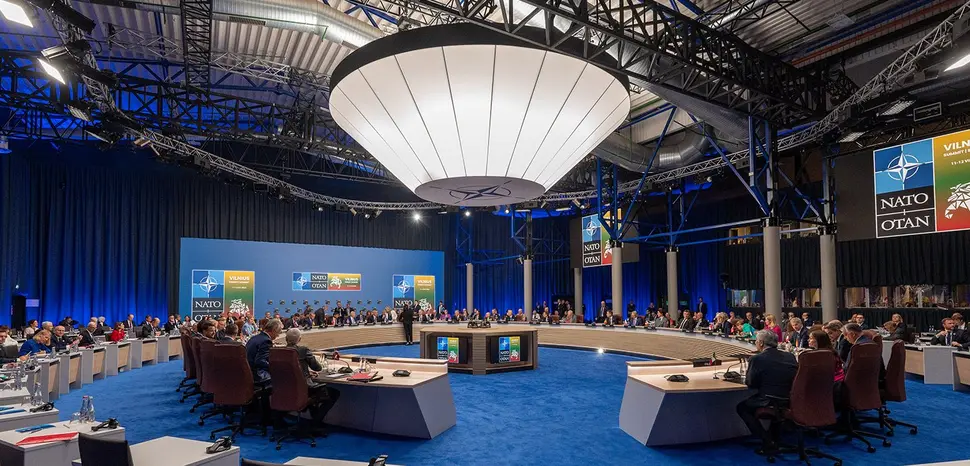
In Europe, a lot of work has been done over the years in preparation for…
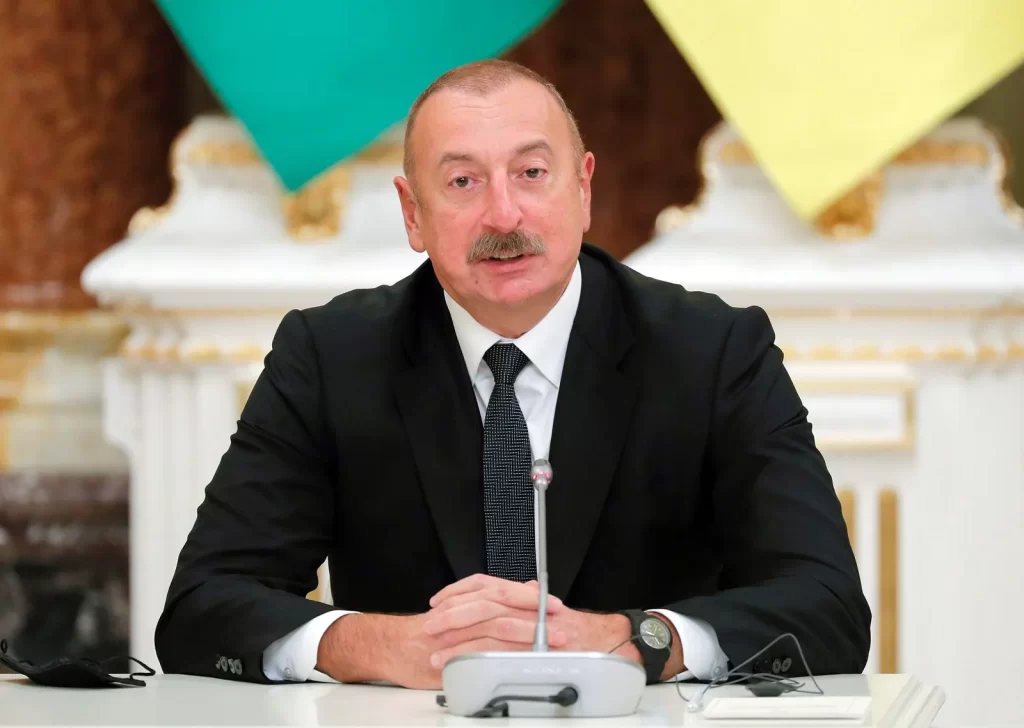
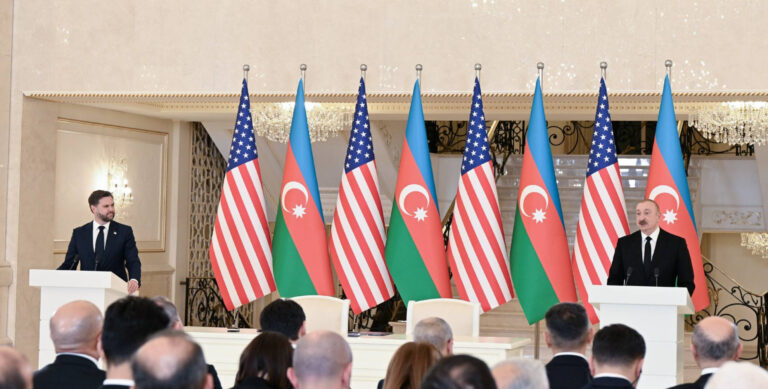
President Ilham Aliyev’s (pictured) address to the Congress of the New Azerbaijan Party (YAP) was…

On June 29, Azerbaijan’s newly established Digital Development Council held its first meeting, highlighting the…
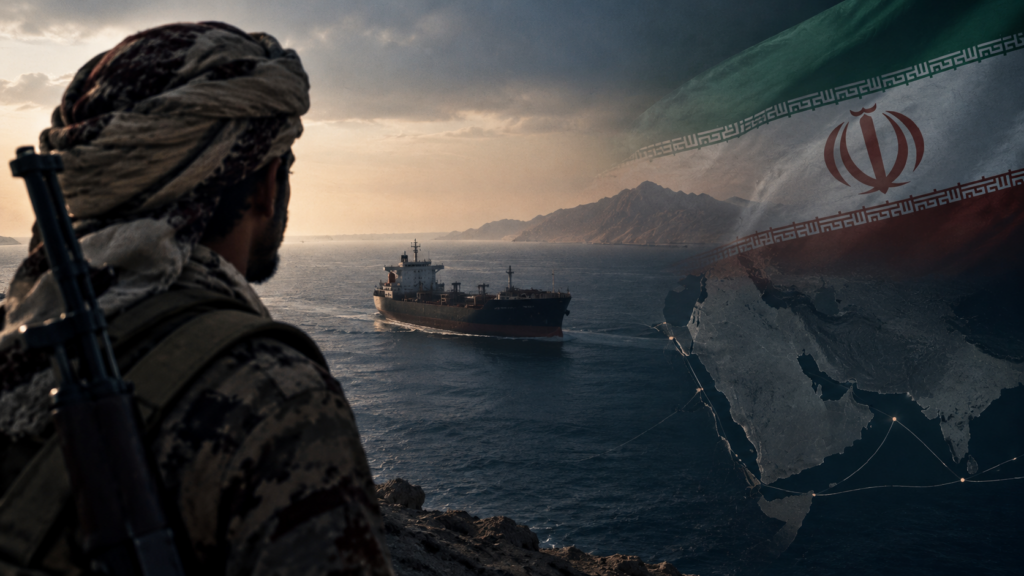
Throughout August, the United States seemed to be gradually gaining the initiative in the war…
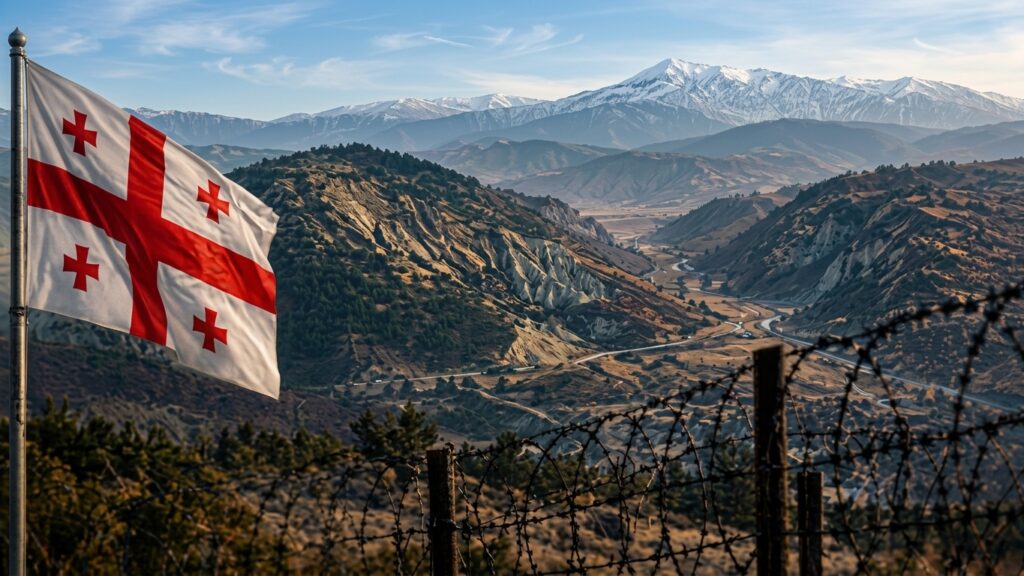
Among the diverse regions of the former Soviet Union, the Caucasus is perhaps the one…
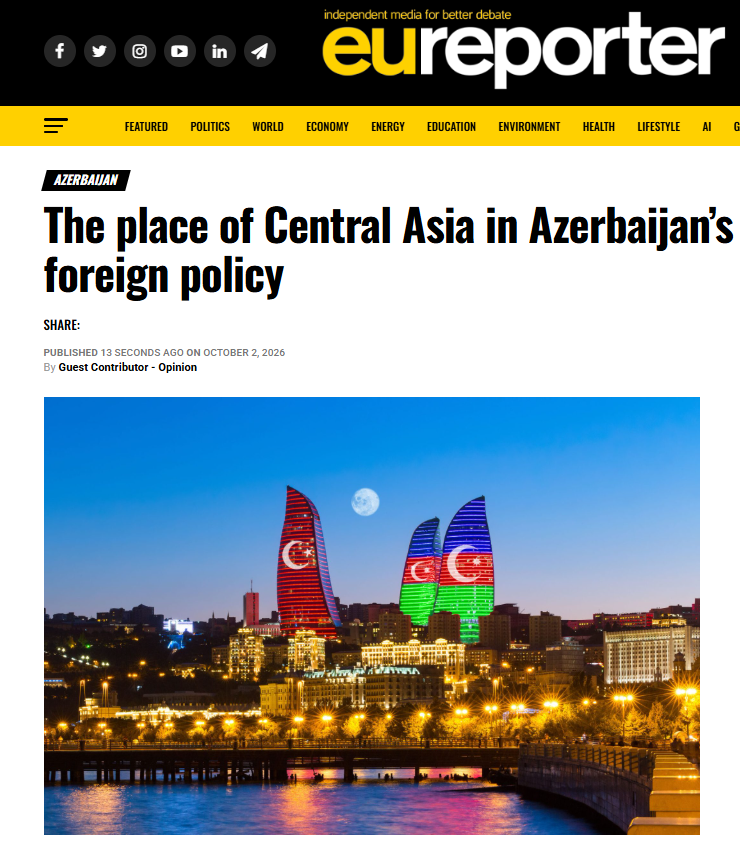
In recent years, Central Asia has moved from the periphery of Azerbaijan’s foreign policy to…
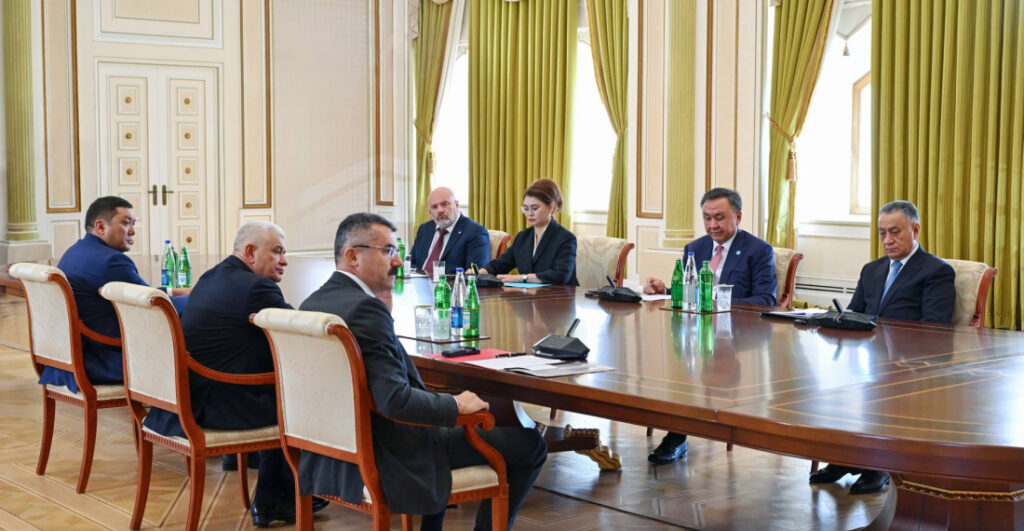
Until recently, the Organization of Turkic States (OTS) could best be understood in terms of…
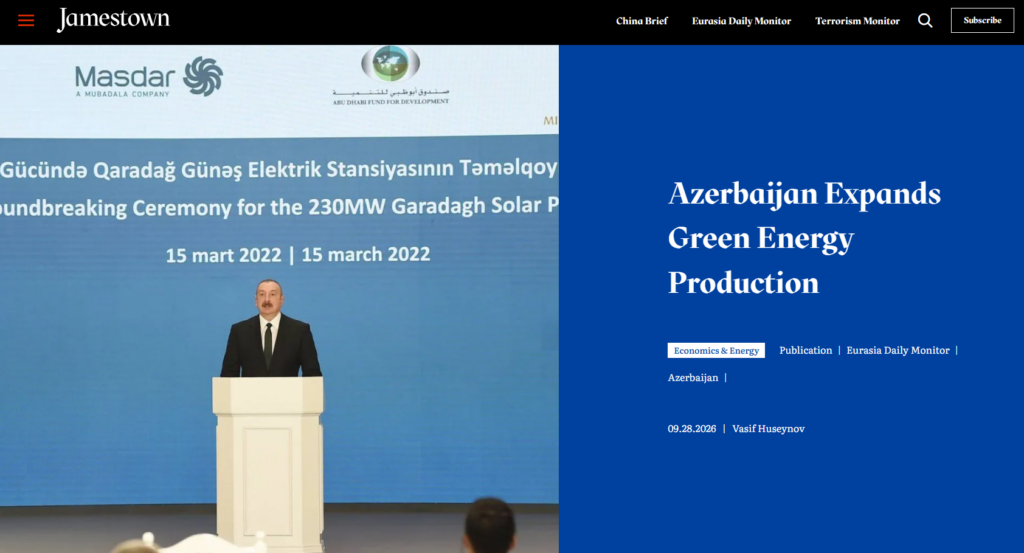
Executive Summary: Azerbaijan connected the 100-megawatt Gobustan solar plant to the grid on September 16,…
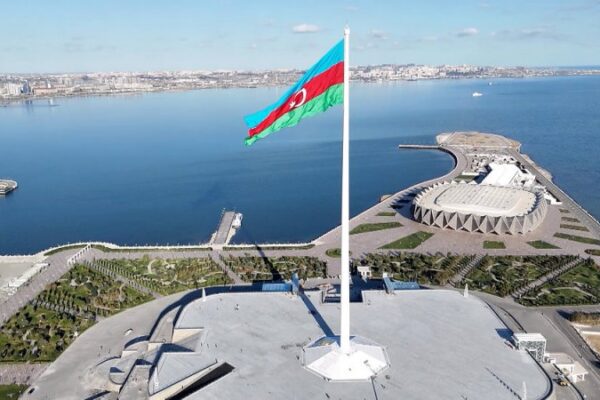
Editor’s note: Farid Shafiyev is the chairman of the Baku-based Center of Analysis of International Relations and Multiculturalism. The article reflects the author’s personal views and does not necessarily represent the position of News.Az. Introduction The South Caucasus has always been a crossroads where empires, regional powers and outside interests compete. In a world now…
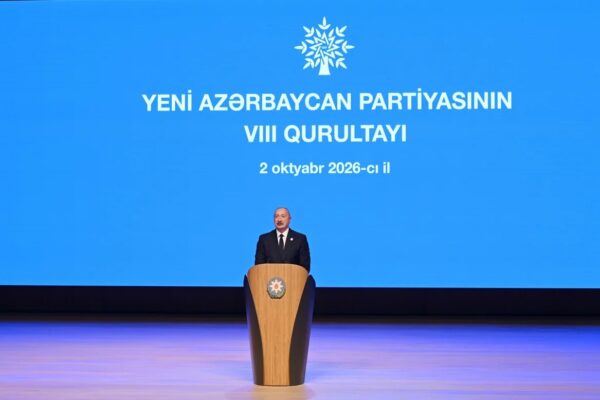
Azerbaijani President Ilham Aliyev addressed the 8th Congress of the New Azerbaijan Party (YAP) in Baku on Friday, the first party congress convened since Azerbaijan fully restored its territorial integrity and sovereignty. His speech reviewed three decades of statehood, but its lasting importance lies elsewhere. The President set out, in systematic terms, the principles that…
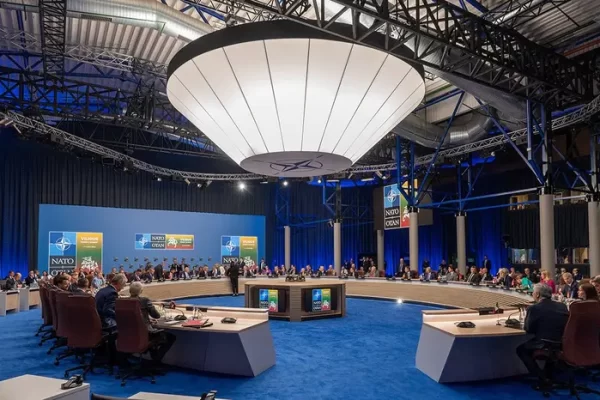
In Europe, a lot of work has been done over the years in preparation for an event that would trigger NATO’s Article 5. But the real challenge is the step beneath NATO’s Article 5. Events such as sabotage, cyberattacks, drones, and even infrastructure attacks can be costly in terms of strategy, yet intentionally ambiguous to…
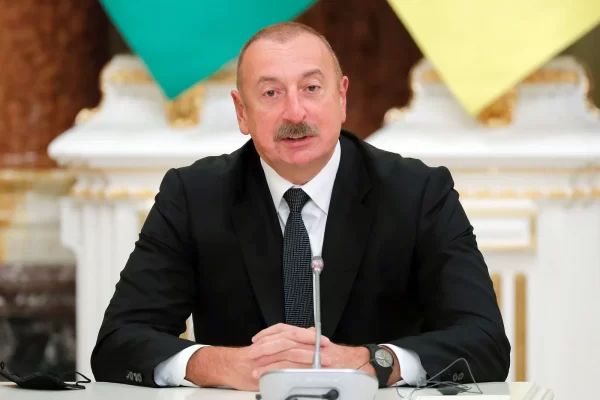
President Ilham Aliyev’s (pictured) address to the Congress of the New Azerbaijan Party (YAP) was more than a party speech. It set out, in programmatic form, how Azerbaijan intends to protect its territorial integrity and sovereignty, that it won on the battlefield in 2020-2023. Its message can be summed up in three words – peace…

On June 29, Azerbaijan’s newly established Digital Development Council held its first meeting, highlighting the country’s priorities in the field of artificial intelligence. The agenda largely reflected the AI Roadmap 2025–2028 adopted last year, placing particular emphasis on digital development, the creation of AI ecosystems, and attracting foreign investment. Another area that received significant attention,…
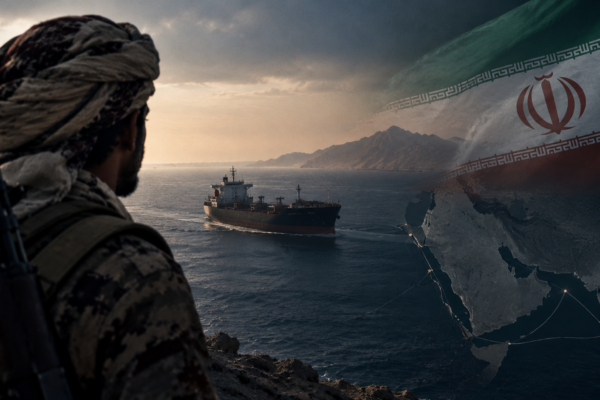
Throughout August, the United States seemed to be gradually gaining the initiative in the war with Iran. However, September produced precisely the opposite result: Tehran forced Washington into a new escalation in the Strait of Hormuz, while the Iran-backed Houthis launched a rapid offensive in Yemen. The latter development increasingly appears to be intended as…
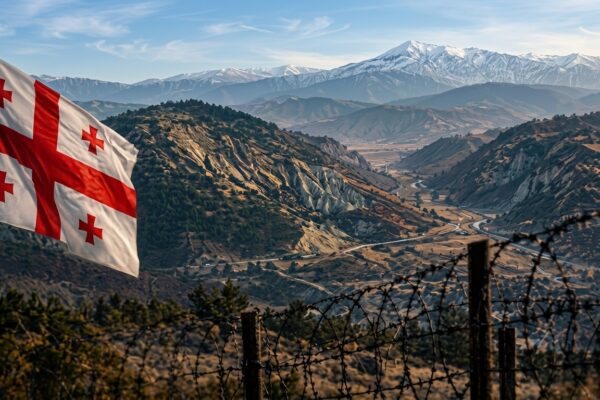
Among the diverse regions of the former Soviet Union, the Caucasus is perhaps the one most often associated with historic territorial disputes and conflict due to its complex geography. While there has been substantial progress in the Armenia-Azerbaijan dispute, the conflict in Abkhazia and South Ossetia has remained unresolved for more than three decades. Even…
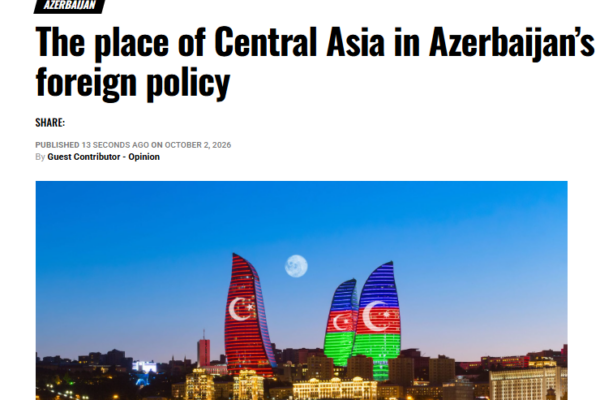
In recent years, Central Asia has moved from the periphery of Azerbaijan’s foreign policy to become one of its principal geopolitical priorities. This shift cannot be explained solely by the translation of the historical, ethnic, religious, and cultural affinities between Azerbaijan and the states of the region into political relations. The new phase rests on…
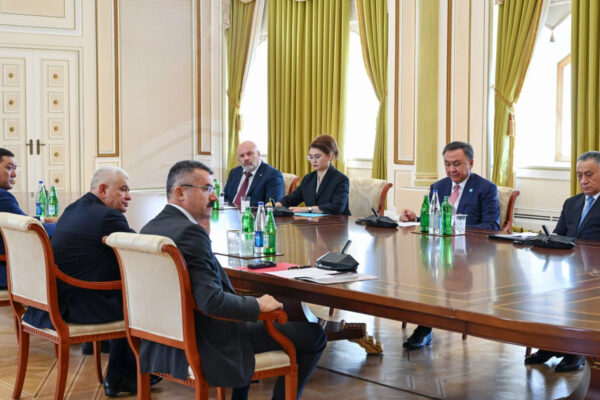
Until recently, the Organization of Turkic States (OTS) could best be understood in terms of identity, language, culture, and economic collaboration. This is changing. On September 17, Baku played host to the Fifth Meeting of the Secretaries of the Security Councils of the OTS countries. In his message to the meeting, the president of Azerbaijan,…
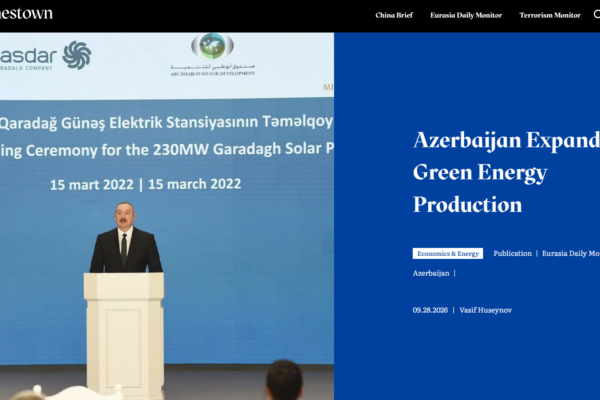
Executive Summary: Azerbaijan connected the 100-megawatt Gobustan solar plant to the grid on September 16, adding to a rapidly expanding renewable sector that Baku says will reduce domestic gas consumption and support its electricity and gas exports.The renewable build-out builds on Azerbaijan’s gas-based energy strategy, with the United Arab Emirates’ Masdar, Saudi Arabia’s ACWA Power,…