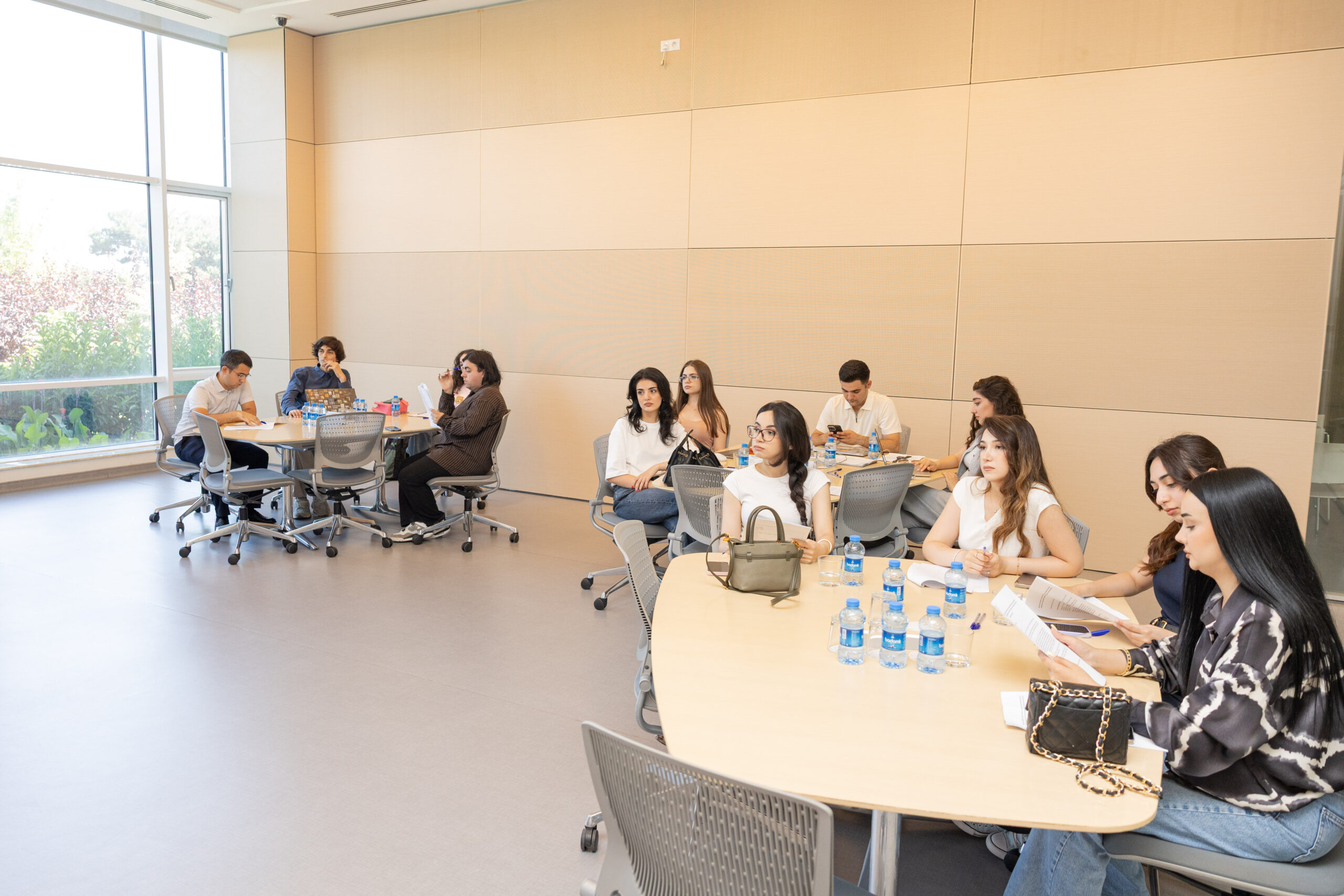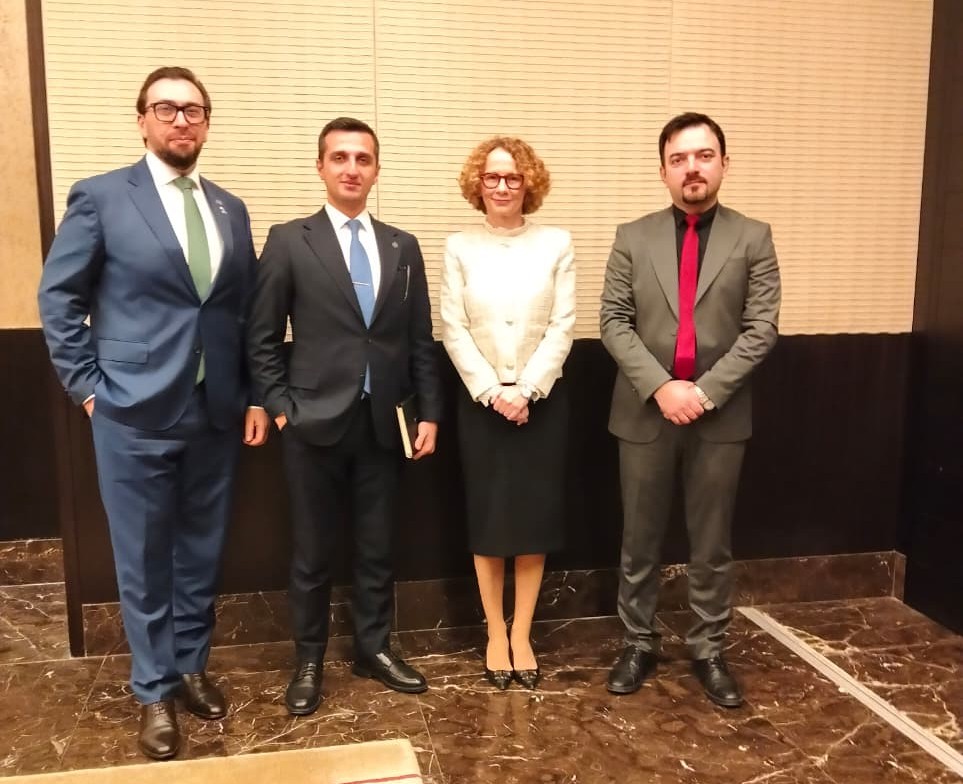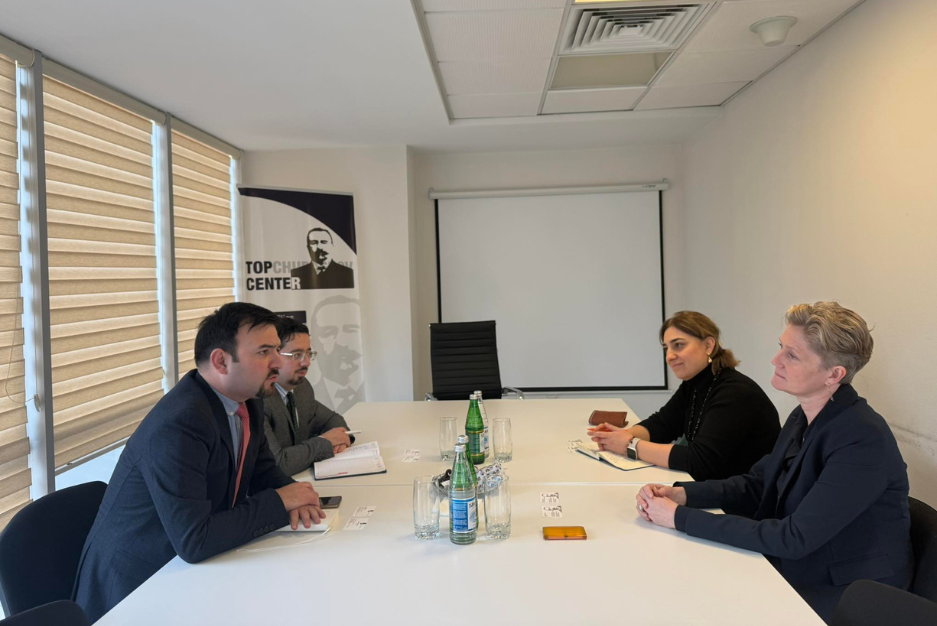
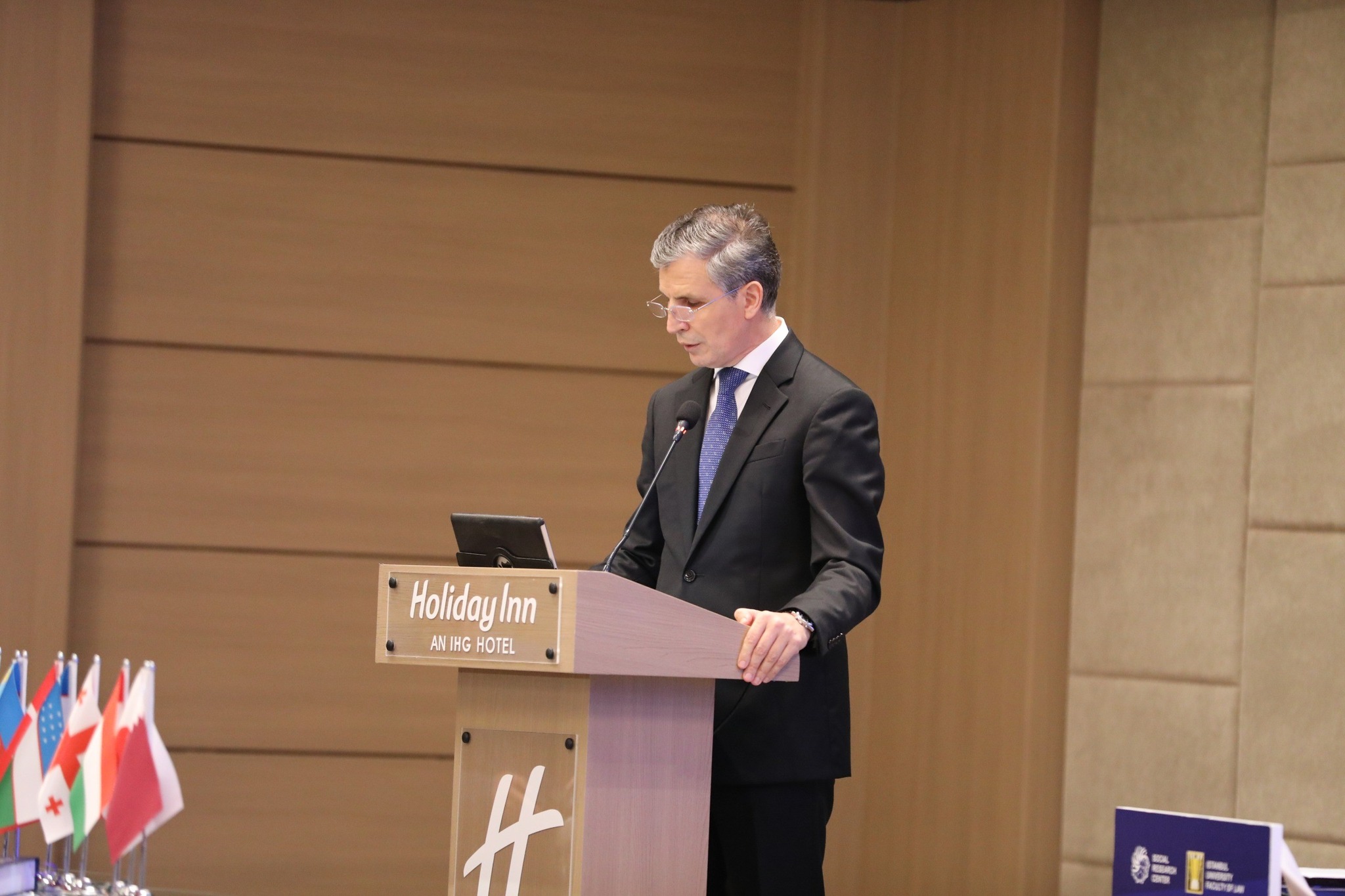
The Social Research Center, in collaboration with the Faculty of Law at Istanbul University, has held an international scientific and practical conference in Baku on “State Sovereignty and National Constitutions in the 21st Century: Global Challenges, Trends and Prospects”.
The conference was held as part of the “2025: The Year of Constitution and Sovereignty” in the Republic of Azerbaijan and focused on key themes such as state sovereignty, the role of national constitutions, global challenges, and current developments in international law.
In the opening remarks, Zahid Oruj, Chairman of the Social Research Center’s Board and Member of Parliament, noted that Azerbaijan has transformed the territorial integrity it upheld for many years in legal terms into an established fact on the ground:
“During the years of defeat, our Constitution affirmed territorial integrity only on paper. Although it declared that “the territories are inviolable,” in reality, 20 percent of our lands had been seized. De jure they existed, but de facto they did not.
At that time, the Constitution became a symbol of the national rights that had been violated. Today, however, the principle enshrined in our Constitution, that Azerbaijan is a unitary state, has been sealed with blood on our own soil. This Victory was written by the sacrifice of our martyrs. Before relying on modern military technologies, we relied on the law, and our greatest strength was the justice of our cause,” Zahid Oruj said.
Speaking at the conference, Professor László Vasa of Hungary’s Institute for Foreign Affairs and Trade noted that sovereignty serves as the constitutional basis for meaningful and legitimate participation by EU member states:

“Traditionally, sovereignty referred to absolute authority over a defined territory. In today’s interconnected world, however, it has evolved into a responsible concept that brings together both autonomy and cooperation. Hungary’s experience shows that a state can remain open to international partnerships while safeguarding its sovereignty within a constitutional framework. Cooperation does not mean dependency,” he said.
Hamad Salem Al-Hajri, Director of Programs and Awareness Department at Qatar’s National Human Rights Committee, stated in his remarks that cooperation with international organizations, particularly the United Nations, does not undermine sovereignty but can, in fact, reinforce it:
“Qatar places a priority on preserving its national values and cultural identity while engaging with international partners. In the 21st century, sovereignty is not only a legal concept but also a model of strength built on values, institutions, and technology. By protecting our national identity, we also contribute to advancing human rights, building trust, and promoting justice,” he said.
He also shared information on Qatar’s initiatives under the “National Development Strategy – 2030”, highlighting efforts to reconcile sovereignty with the protection of human rights.
The conference brought together local and international experts, scholars, and representatives of government institutions. Participants engaged in extensive discussions on safeguarding state sovereignty in the modern era, constitutional reforms, and emerging directions in international law.
Speeches from the conference : SRC YOUTUBE