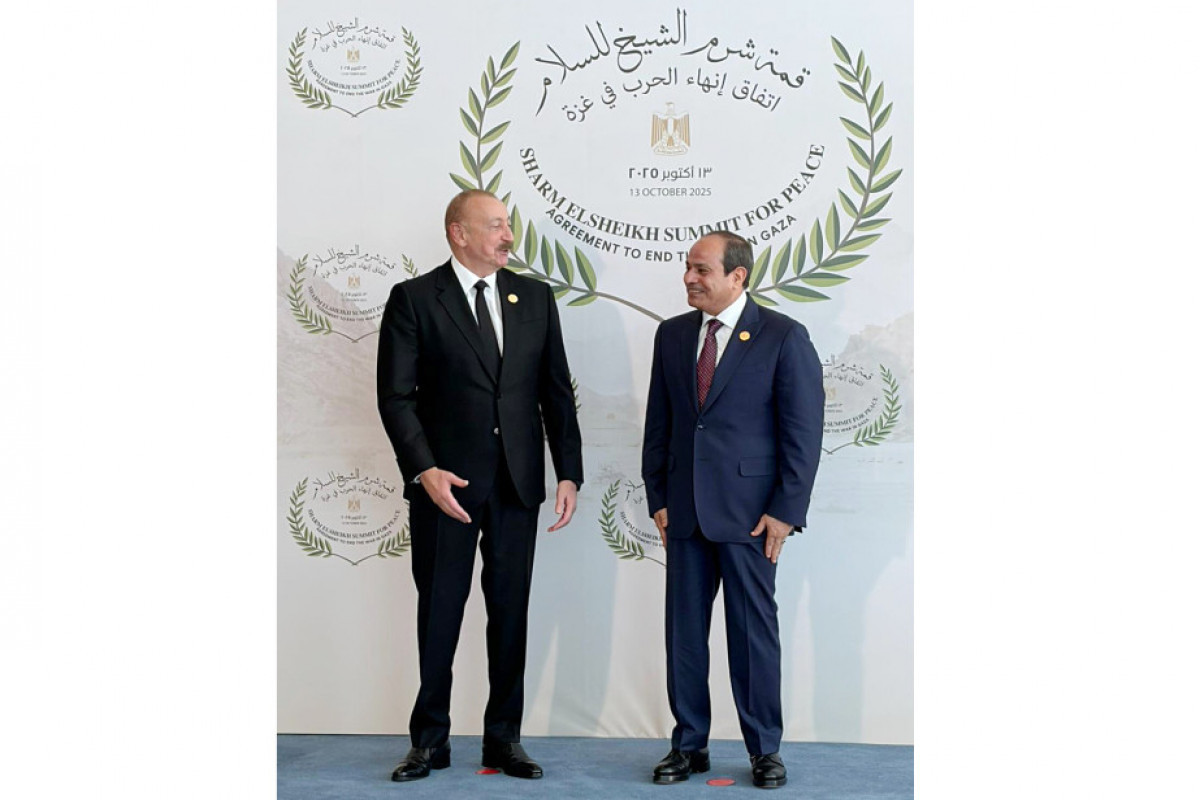
A high-level summit is being held in Egypt’s Sharm el-Sheikh with the participation of globally influential leaders aimed at reshaping the geopolitical architecture in the Middle East. The main agenda of the meeting includes ensuring a ceasefire in the Gaza Strip, alleviating the humanitarian crisis, and institutionalizing sustainable peace mechanisms. The Middle East region is situated at a strategic crossroads among civilizations and has historically played an important role as a center open to various cultures, religions, and political interests. Here, the interests of different countries, peoples, and geopolitical actors collide, which further increases the region’s significance in the international relations system.
Azerbaijan’s simultaneous development of relations with both Islamic countries and Israel is particularly noteworthy. Azerbaijan is one of the few countries in the world that has formed an image as a balanced actor on a political dialogue and cooperation platform by bringing together different religious and national poles. The recent tensions observed in the Middle East are both a strategic interest and a cause of concern for Azerbaijan. President Ilham Aliyev’s participation in the Sharm el-Sheikh summit, attended by a limited number of heads of state, is a clear indication of Azerbaijan’s diplomatic activity in the region. This visit creates new opportunities for deepening both bilateral and multilateral cooperation and is also regarded as an important diplomatic step, confirming Azerbaijan’s growing influence and political weight in the Islamic world.
Azerbaijan’s invitation to the Sharm el-Sheikh Summit: The next indicator of rising global role
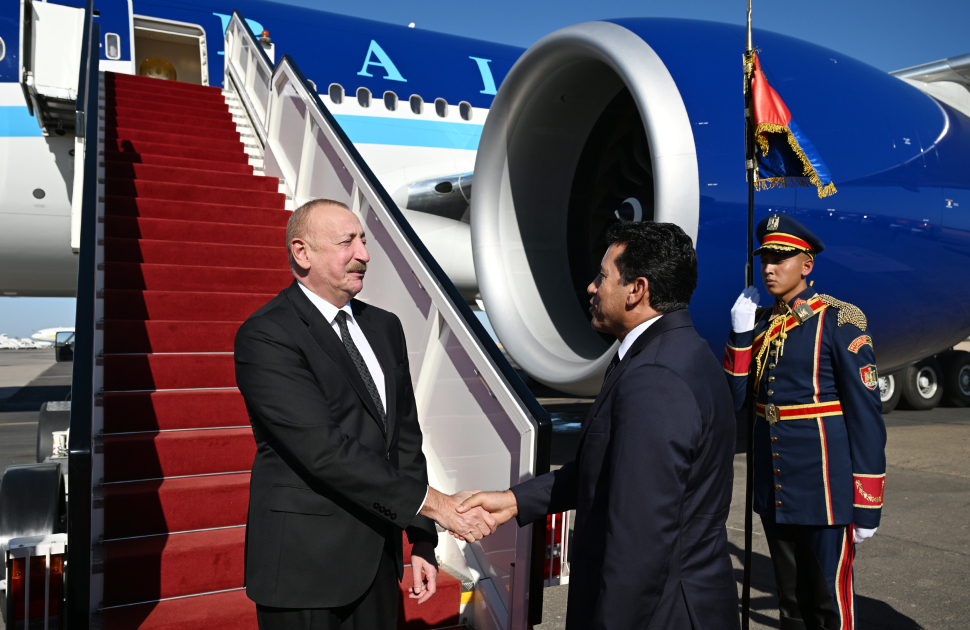
The invitation of Azerbaijan’s President Ilham Aliyev to this important diplomatic platform is a clear indicator of the country’s growing strategic influence in the international system and the President’s personal diplomatic prestige. President Ilham Aliyev’s participation in the summit demonstrates that Baku has transcended its status as a regional actor and has become an active participant in global diplomatic processes. This invitation confirms that Azerbaijan’s multidimensional, balanced, and proactive foreign policy course is recognized on the international stage. Baku strengthens its geopolitical position as a reliable partner that takes initiatives at high-level platforms where the most sensitive issues on the global agenda are discussed.
Political analyst Zaur Mammadov, Head of the Baku Club of Political Analysts, said in a statement to APA that participation in the Sharm El-Sheikh summit is a desirable diplomatic event for many countries.
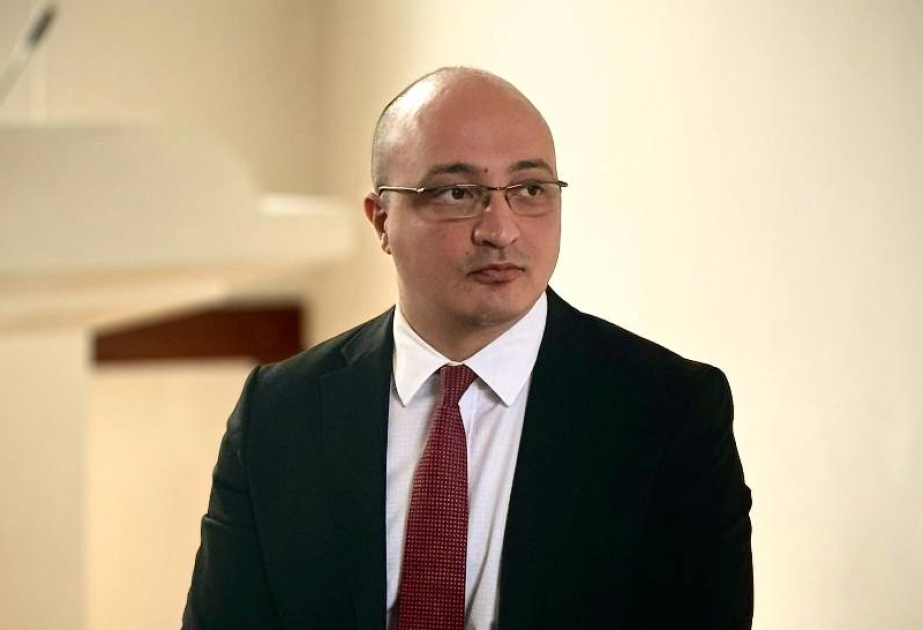
“The essence of the matter is that only a limited number of world leaders were invited to this high-level meeting. This primarily reflects the global political influence of these leaders and is also directly related to the level of strategic relations with the United States. Azerbaijan-US relations are currently developing with high dynamics. It is well understood in Washington and the capitals of the Middle East that Azerbaijan today plays a unifying and integrative actor role in the region. Against the backdrop of Egypt’s geostrategic location and the processes taking place in the Middle East as a whole, Azerbaijan’s diplomatic activity has increased significantly in recent years. After the 44-day Patriotic War, Azerbaijan’s foreign policy has been directed towards new directions and strategic goals. For the first time, the country is demonstrating such a systematic political and economic activity in the direction of the Middle East and Africa. This shows that Azerbaijan has gained broader political maneuvering opportunities at the regional and global levels during its independence period. The Israel-Palestine conflict has, over decades, ended the lives of thousands of innocent people and deepened contradictions in the region. Currently, the international community has entered a phase closer than ever before to resolving this conflict and establishing lasting peace. In this context, President Ilham Aliyev’s participation in the Sharm El-Sheikh summit holds special importance in terms of strengthening Azerbaijan’s international image, raising its geopolitical status, and expanding its influence in global diplomatic processes,” he said.
Baku is becoming a key player on the global agenda
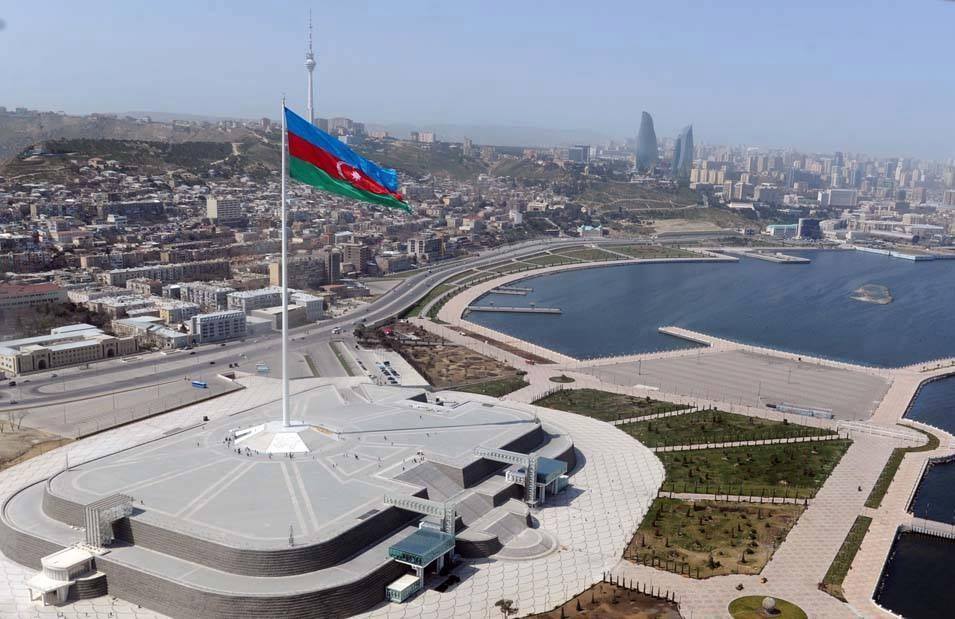
Azerbaijan has recently become an active player in shaping internationally accepted decisions and an important participant on the global agenda. This position is the result of the country’s flexible diplomacy and multifaceted foreign policy. Azerbaijan acts as a key partner in various international platforms, especially in discussions on peace, security, and cooperation in the Middle East. President Ilham Aliyev’s participation in high-level summits demonstrates that Baku has transcended its regional actor framework and become an influential player in global diplomatic processes. This participation is a clear expression of Azerbaijan’s global political course and new Middle East strategy.
According to the political analyst, Azerbaijan has strengthened its position in the international arena as a state actively involved in solving global issues: “As a result of steps taken within important multilateral platforms such as the Non-Aligned Movement and the Organization of Turkic States, Azerbaijan has played a significant role in protecting the sovereignty of member states, as well as expanding their independent domestic and foreign policy capabilities. President Ilham Aliyev’s political activity has been of particular importance in terms of these peoples achieving stability and security, as well as obtaining sustainable results in political and economic fields.”

Currently, global challenges such as interstate conflicts, environmental problems, and energy issues are at the forefront of the international agenda. Azerbaijan continuously raises these issues on international platforms, making significant contributions to the global dialogue and finding practical solutions in areas such as green energy transition, efficient use of traditional energy resources, and environmental security. This is a major diplomatic achievement for a geographically small country. Azerbaijan’s geopolitical agility and multi-vector policy allow it to remain at the center of global processes in the coming decades and to further increase its importance as an actor who shares the same political platforms with great powers and shapes the global agenda.”
President Ilham Aliyev’s diplomatic activity increases Baku’s international weight
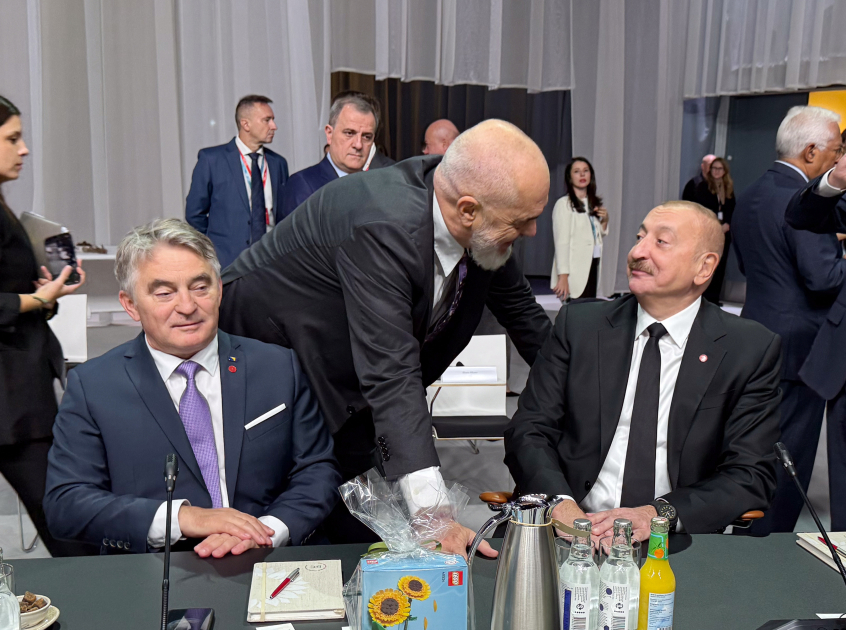
October has been an intensive and strategically important period for Azerbaijani diplomacy. Within just twelve days, President Ilham Aliyev once again demonstrated the country’s multi-vector foreign policy course by participating in high-level events held in four different regions.
At the beginning of the month, the head of state, who took part in the European Political Community summit held in Copenhagen, highlighted Azerbaijan–Europe relations, energy security, and regional stability issues. Subsequently, by hosting the Organization of Turkic States summit in Gabala, he contributed to the deepening of political and economic integration within the Turkic world. Later, addressing the meeting of CIS heads of state held in Dushanbe, the President touched upon important topics related to the development of cooperation in the post-Soviet space and the strengthening of transport and communication corridors.
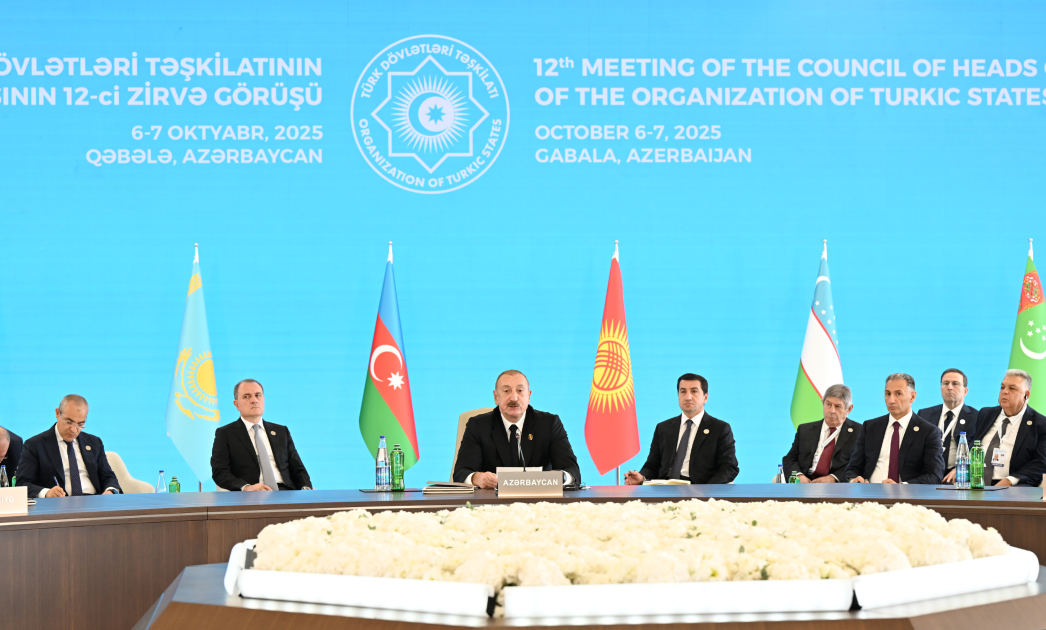
Finally, his participation in the international summit held in Sharm El-Sheikh demonstrated that Azerbaijan’s Middle East policy has entered a new phase. This consistent diplomatic activity shows that Azerbaijan has transformed from a regional actor into an influential player in global diplomatic processes.
Political scientist Zaur Mammadov said that the fact that the number of international events held with the participation of President Ilham Aliyev has reached four before the end of October is an indication of the multi-vector nature of Azerbaijan’s diplomatic activity and foreign policy, covering a wide geography.
According to him, Azerbaijan’s simultaneous active participation in various political platforms such as Europe, the Turkic world, the CIS space, and the Middle East within a short period demonstrates the country’s growing international reputation and its important role in global processes: “The head of state participated in the European Political Community summit, the Organization of Turkic States summit, the CIS heads of state meeting, and finally, a high-level international summit held in the Middle East. This intensive diplomatic route is a clear indicator of Azerbaijan’s diversified, balanced, and rational foreign policy course. This activity demonstrates, both in theory and practice, Azerbaijan’s ability to pursue a balanced policy among different geopolitical poles. Unlike the one-sided approaches in foreign policy pursued by some political leaderships in the early years of independence, President Ilham Aliyev, continuing the political course of national leader Heydar Aliyev, has prioritized the development of relations in all directions and the expansion of pragmatic cooperation with international and regional power centers. As a result of this strategy, Azerbaijan has reconciled the interests of various geopolitical centers and formed a new political and economic integration model in the South Caucasus. If this reality is properly assessed by international actors, the prospects for stability, security, and development in the region will be further strengthened. For the South Caucasus, located at the strategic midpoint of Eurasia, security and communication lines are of vital importance. Azerbaijan, as a leading state in these processes, intends to continue taking practical steps moving forward.”
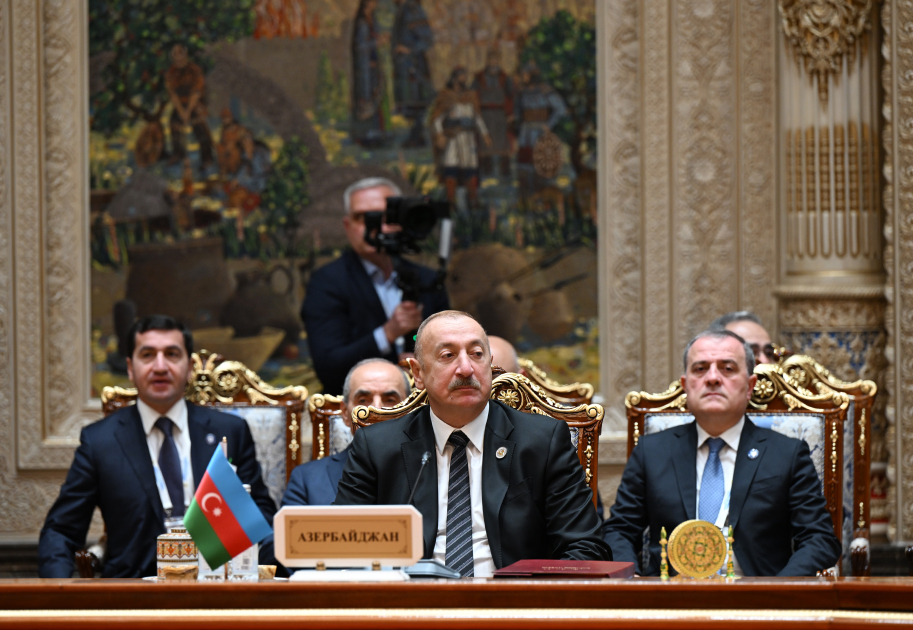
Azerbaijan’s invitation to the Sharm El-Sheikh summit also indicates that the country’s relations with the Middle East region have entered a new phase. Recently, Baku has increased its activity in this region in the fields of energy infrastructure, humanitarian diplomacy, and political dialogue. Azerbaijan’s image as a neutral, balanced, and reliable partner makes it attractive to various regional powers and international actors, and opens the way for cooperation in new formats.