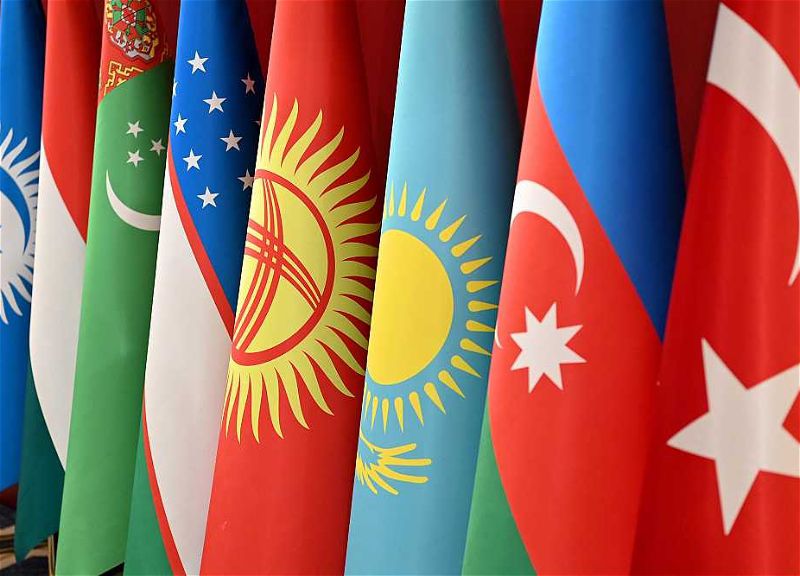
The 12th Summit of the Organization of Turkic States (OTS) is being held in Gabala, marking a new stage in the development of partnership and the strengthening of Turkic solidarity. The forum has brought together the leaders and representatives of the member countries to discuss a wide range of initiatives — from political and economic to educational and cultural projects. This summit will reflect the dynamics of transformation in the region, where participating states actively seek ways to deepen cooperation, coordinate their strategies, and strive to extend this approach beyond the organization.
Political and economic discussions at the forum focus on building mutual trust and advancing joint infrastructure and energy projects. Central to the agenda are issues of ensuring regional stability, expanding trade ties, and integration into broader Eurasian economic corridors.
The initiatives presented at the 12th Summit of the Organization of Turkic States in Gabala serve as compelling evidence that the organization continues to evolve dynamically. Its agenda is expanding to encompass new areas of cooperation, and the regional responsibility of member states is noticeably strengthening. The locomotive of this process remains the shared historical and ethnic roots, while unified national-spiritual values continue to unite the states as one great family.
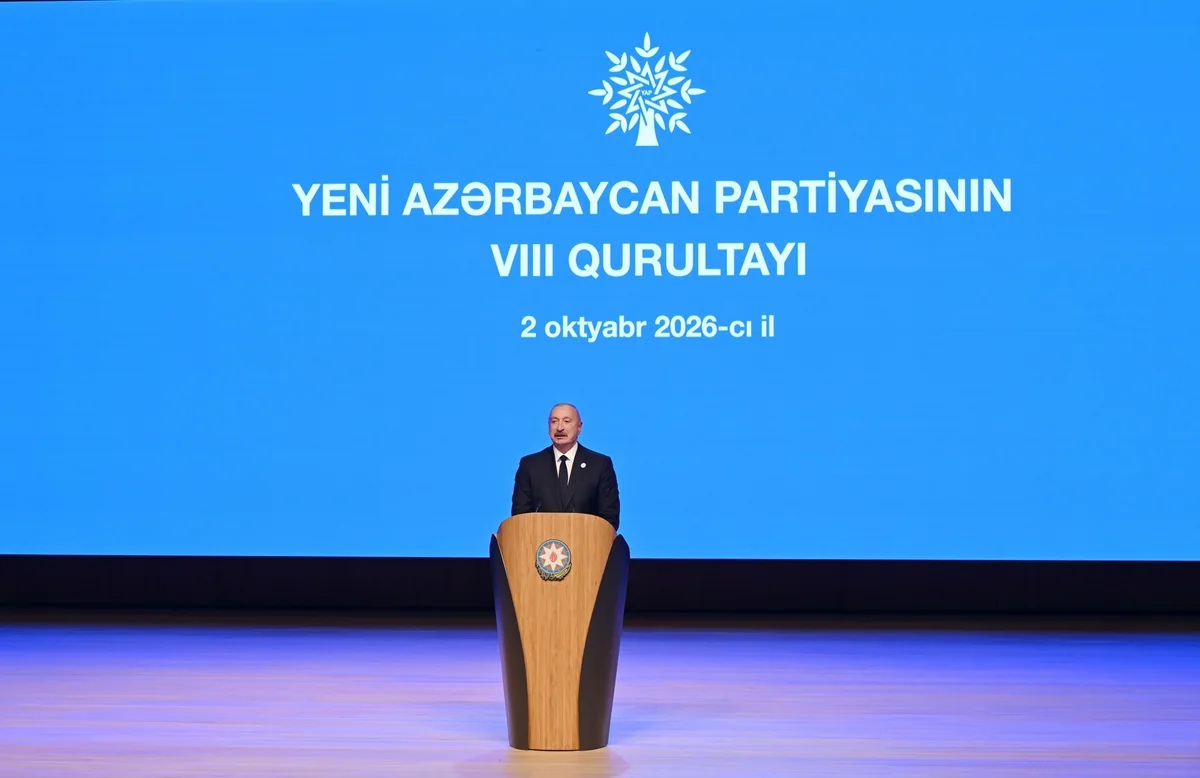
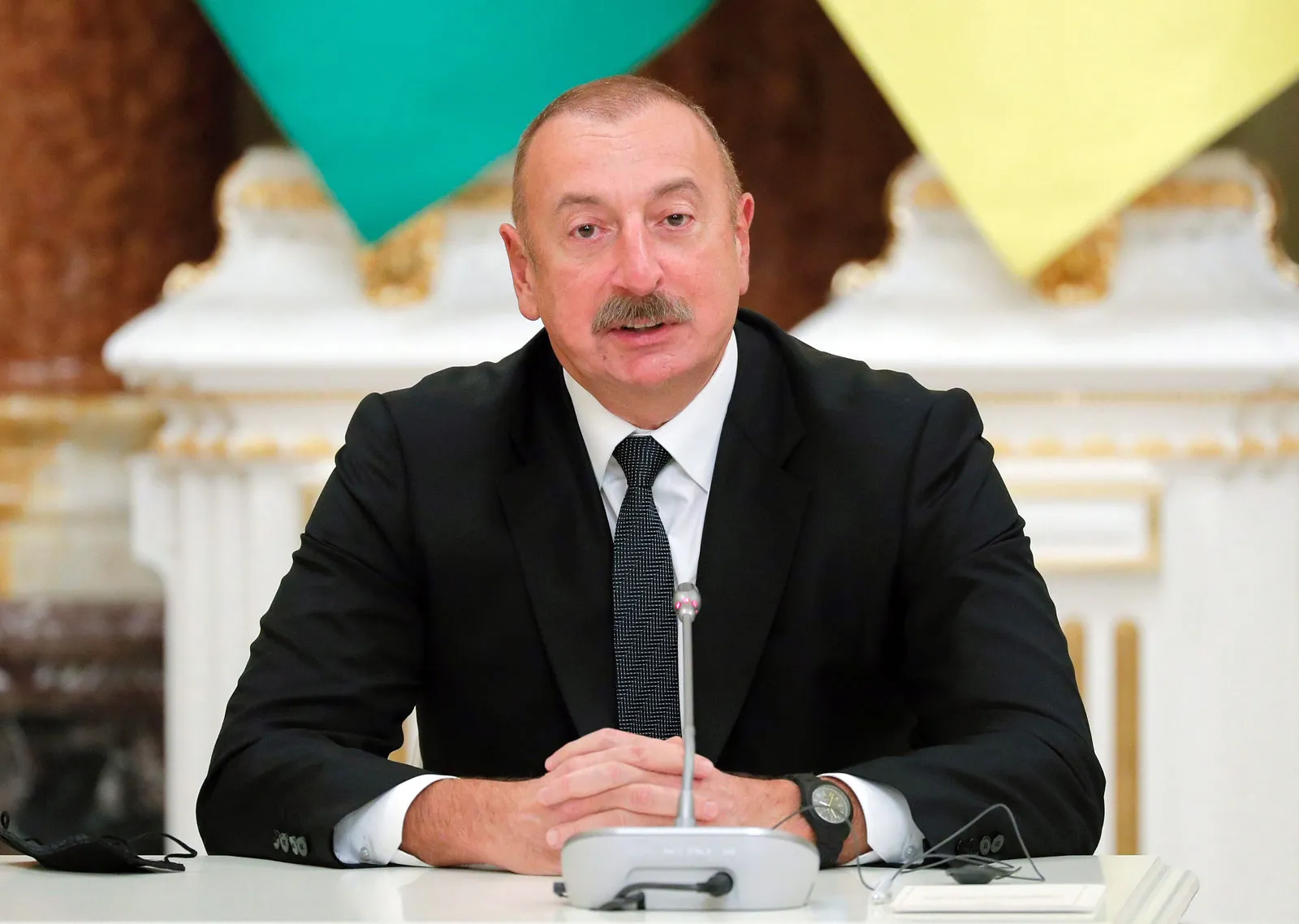
This idea was emphasized in his address by President of Azerbaijan Ilham Aliyev, who noted: “Today, the Organization of Turkic States is not just a platform for cooperation — it is being shaped as one of the serious geopolitical centers.” In this context, ensuring security in the South Caucasus and Central Asia acquires special significance. Given the broad spectrum of cooperation among the member states in military, defense, and security sectors, President Aliyev proposed holding joint military exercises of the OTS member states in 2026 on the territory of Azerbaijan.
The leaders of the countries attending the summit in Gabala emphasized that this summit goes beyond its immediate framework, forming a platform for sustainable cooperation in a wider geopolitical context. In this regard, it is also important to mention the Washington Summit and its outcomes. President of Uzbekistan Shavkat Mirziyoyev underlined the significance of that declaration, observing: “The joint declaration of Azerbaijan and Armenia is a victory for all Turkic peoples. This historic document opens up opportunities for cooperation in areas such as economy, trade, and transport.”
The potential for economic cooperation among the member states of the Organization of Turkic States is far from exhausted. That is why the participating states are putting forward new initiatives aimed at deepening integration and strengthening economic ties.
Kyrgyzstan presented a roadmap for the development of cooperation in the fields of economy, trade, investment, and finance, including a proposal to conclude an agreement on the mutual recognition of electronic digital signatures. This step would allow legal recognition of digital documents among the OTS countries and become an important element in forming a unified digital space of the Turkic world.
Uzbekistan proposed considering the development of a new OTS development strategy up to 2030, aimed at strengthening multilateral cooperation and improving coordination of economic policy. Moreover, the Tashkent initiative envisages creating an Economic Cooperation Council within the organization — an institution capable of becoming a mechanism for developing common approaches to trade, industry, and investment development.
Among Uzbekistan’s most innovative ideas at the summit is the proposal to form a “space of new economic opportunities,” including the creation of a Turkic industrial alliance, a “Turkic Green Corridors” system, and a “Green Transformation” consortium. Particular attention is paid to forming an expert group on organic agriculture and promoting a unified brand of Turkic organic products for the global market, reflecting the shared trend toward sustainable and ecological development.
Of fundamental importance to all member participants of the organization remains the development of the Middle Corridor — the strategic transport-logistics route linking the West with Asia. Implementing this project has the potential to transform the OTS into a key node of the Eurasian transport network, providing member states not only economic benefits but also geopolitical influence on the international stage.
One of the most significant events of today’s summit was the signing of the decision to launch a new format — “OTS+.” This move testifies to the organization’s readiness for further expansion and institutional strengthening, opening new opportunities for engagement with external partners. The introduction of the “OTS+” format reflects growing international recognition of the organization’s role as an independent and influential power center. In a relatively short time, the OTS has been able to demonstrate not only regional consolidation but also the ability to develop effective cooperation models that draw the interest of non-member states.
The “OTS+” format will allow partners from different regions to engage in joint initiatives — in trade, transport, energy, innovation, and education. This is both an example of expanding the number of participants and a qualitative transition to a new level of interaction, in which the Turkic space becomes a platform for interregional dialogue and sustainable development.
Turkic solidarity in the matter of Karabakh’s restoration once again found vivid expression at the 12th Summit of the Organization of Turkic States. The support of the fraternal countries of the region is expressed both in political statements and in concrete actions symbolizing unity, mutual assistance, and shared spiritual values. As before, Uzbekistan, Kazakhstan, and Kyrgyzstan contributed by gifting schools built in the liberated areas of Karabakh to the people of Azerbaijan.
Within the framework of the current summit, a ceremony was held to lay the foundation of a mosque in Fuzuli, to be built by Turkmenistan. The total area of the complex will exceed one hectare; two minarets 40 meters high and a dome 30 meters high will be erected. The mosque will be able to accommodate up to 500 worshippers at once. This step symbolizes the spiritual unity of the Turkic peoples and their common dedication to the cause of Karabakh’s revival as a space of peace and harmony. Not staying aside from Turkic fraternal countries, Hungary also announced the construction of a school in the city of Jabrayil, thereby continuing the tradition of Central Asian countries in making their contribution to the region’s restoration.
The 12th Summit of the Organization of Turkic States in Gabala demonstrated a new level of integration and solidarity among the Turkic world countries. The expansion to the “OTS+” format, active participation of countries in the restoration of Karabakh, and the creation of new infrastructure and “green” projects testify that the organization combines cultural, spiritual, and practical components. Today’s statements by leaders in Gabala affirm that Turkic unity has become an integral factor in regional stability, development, and strategic influence, and the Organization of Turkic States continues to confidently assert itself as a key player in Eurasia.