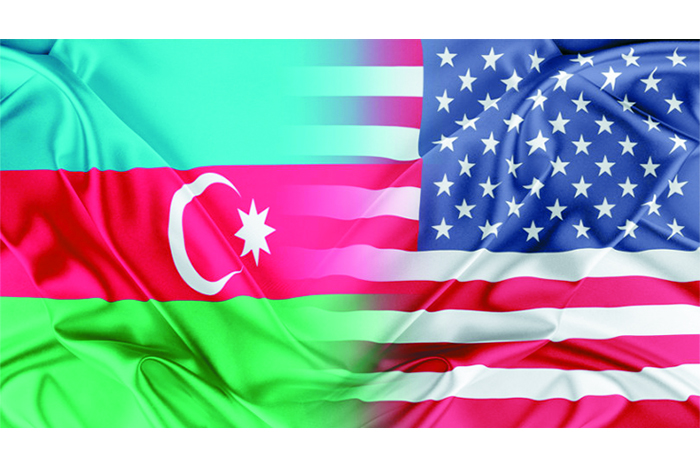
On November 18, 2025, Baku hosted the inaugural Azerbaijan–United States Think Tank Forum, titled “Bridging Visions: Azerbaijan–United States Dialogue for a Strategic Partnership”. Organized by the Center of Analysis of International Relations (AIR Center), the forum represented a critical milestone in intellectual diplomacy, providing a structured platform to examine the operational and strategic dimensions of the August 8, 2025 Washington Summit. The Summit had elevated bilateral relations to the level of a formal strategic partnership, signaling a shared vision between Baku and Washington for a stable, interconnected and rules-based regional order in the South Caucasus and beyond.
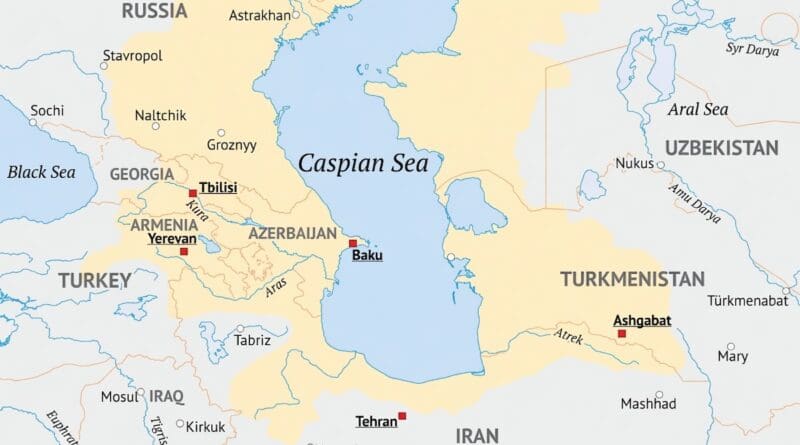
The forum’s discussions occurred against a backdrop of intensifying global competition, evolving energy corridors and shifting alignments among major powers. In this context, Azerbaijan’s geostrategic position as a nexus connecting Europe and Asia, coupled with its expanding role in energy diversification, transport connectivity, and security cooperation, has taken on unprecedented significance. The forum’s panels systematically explored these dynamics, analyzing both the immediate consequences of the Washington Declaration and its long-term implications for regional governance, conflict resolution and economic integration.
The first panel focused on the Summit’s political, economic and security outcomes, emphasizing how these outcomes redefine the parameters of U.S.–Azerbaijan cooperation. From a political standpoint, the declaration of a strategic partnership institutionalizes Azerbaijan’s role as a central actor in the post-conflict South Caucasus. The United States formally recognizes Baku as a pivotal interlocutor in regional security arrangements. This endorsement strengthens Azerbaijan’s diplomatic leverage and affirms its capacity to influence the rules-based framework of the region, including post-conflict reconstruction and dispute resolution.
Economically, the Summit opens a diversified horizon for U.S. investment. Beyond traditional hydrocarbon projects, American capital is now channeled toward renewable energy, digital infrastructure and smart transport systems, alongside initiatives to secure and optimize Eurasian energy corridors. Forum analysts emphasized that these investments carry dual significance: they constitute a direct contribution to Azerbaijan’s economic modernization while simultaneously reinforcing the geopolitical weight of the country within the broader Eurasian context.
On the security front, the Summit institutionalized mechanisms for deeper military-technical cooperation, intelligence-sharing, and counterterrorism coordination. Complementary programs addressing post-conflict rehabilitation and mine clearance further anchor the United States in practical security governance. Analysts highlighted that these measures effectively create a new security ecosystem in the South Caucasus, balancing the influence of Russia, Turkiye and Iran, while providing Azerbaijan with enhanced operational sovereignty and strategic predictability.
The session also addressed the broader opportunities and challenges of this new strategic alignment. The potential benefits are multifaceted: expanded geopolitical maneuvering space for Azerbaijan, strengthened U.S. influence in maintaining regional stability and the creation of robust mechanisms for conflict prevention and economic integration. Simultaneously, participants noted inherent risks, including potential pushback from regional actors whose influence may be recalibrated, exposure of critical infrastructure to hybrid and cyber threats, and the necessity of long-term political will to institutionalize peace mechanisms effectively.
The second panel examined the post-Washington dynamics shaping the Armenia–Azerbaijan peace process. The discussions foregrounded the question: “How are geopolitical realignments among regional and global powers affecting stability and influence in the South Caucasus?” Analysts argued that the strategic partnership redefines regional power balances. With formal U.S. backing Azerbaijan gains diplomatic leverage, while Russia, Turkiye and Iran recalibrate their policies in response. This new multi-vector equilibrium prioritizes cooperation within Western security frameworks, enabling conditions conducive to durable post-conflict reconciliation.
Another focal point was the opportunities and risks for advancing the peace process. The forum concluded that Washington’s engagement expands the available diplomatic toolkit for both Baku and Yerevan, increasing the likelihood of a comprehensive peace treaty, border delimitations, humanitarian collaboration, and economic reintegration programs. However, potential challenges remain, including the risk of competing agendas among regional powers, resistance from internal political constituencies, and the fragility of commitments without robust institutional enforcement. Analysts emphasized that a sustainable peace process requires inclusive U.S. mediation that considers all key regional stakeholders.
Finally, the session explored the operational mechanisms by which stability can be translated into tangible outcomes: “How can coordinated efforts on border management, humanitarian cooperation, and regional connectivity sustain peace?” Experts stressed that border security initiatives enhance mutual trust, humanitarian programs strengthen social cohesion and transportation and communication networks create interdependencies that incentivize cooperative behavior. By embedding peace in everyday infrastructure and economic activity, the region moves from abstract agreements to practical, enforceable stability.
The third panel highlighted Azerbaijan’s role as a geostrategic connector between Central Asia and Europe. Discussions emphasized the Southern Gas Corridor, renewable energy projects, and the Middle Corridor as instruments to link regional markets and resources, while integrating emerging technologies such as AI, smart logistics, and digital infrastructure. Analysts highlighted that these initiatives not only advance economic growth and resilience but also strategically position Azerbaijan as a critical node in Eurasia’s evolving political and economic geography. Public-private partnerships and engagement with international financial institutions were identified as key levers for accelerating the green transition, enhancing climate resilience, and promoting sustainable development.
The inaugural Azerbaijan–U.S. Think Tank Forum demonstrated that the strategic partnership is both a framework and a practical instrument. Beyond declarative politics, it creates tangible mechanisms for security, economic modernization, and regional governance participation. The forum underscored that durable peace and prosperity in the South Caucasus hinge on integrating political dialogue, infrastructure development, and humanitarian cooperation, underpinned by continuous multilateral coordination.
Participation in the forum revealed the depth of U.S. commitment to Azerbaijan as a strategic partner while highlighting the responsibilities inherent in such a relationship. By leveraging intellectual diplomacy, operationalized cooperation, and forward-looking infrastructure initiatives, Azerbaijan is poised to consolidate its regional influence, strengthen post-conflict stability, and contribute meaningfully to a resilient, rules-based Eurasian order. The forum thus provides a blueprint for translating strategic dialogue into actionable policies that ensure both immediate security and long-term prosperity.
Shabnam Zeynalova,
Expert of the Baku Political Scientists’ Club (Center),
PhD in Political Science, Associate Professor