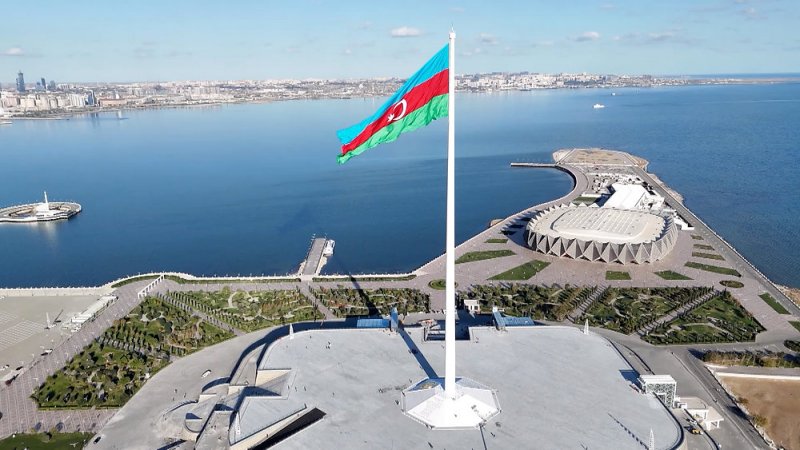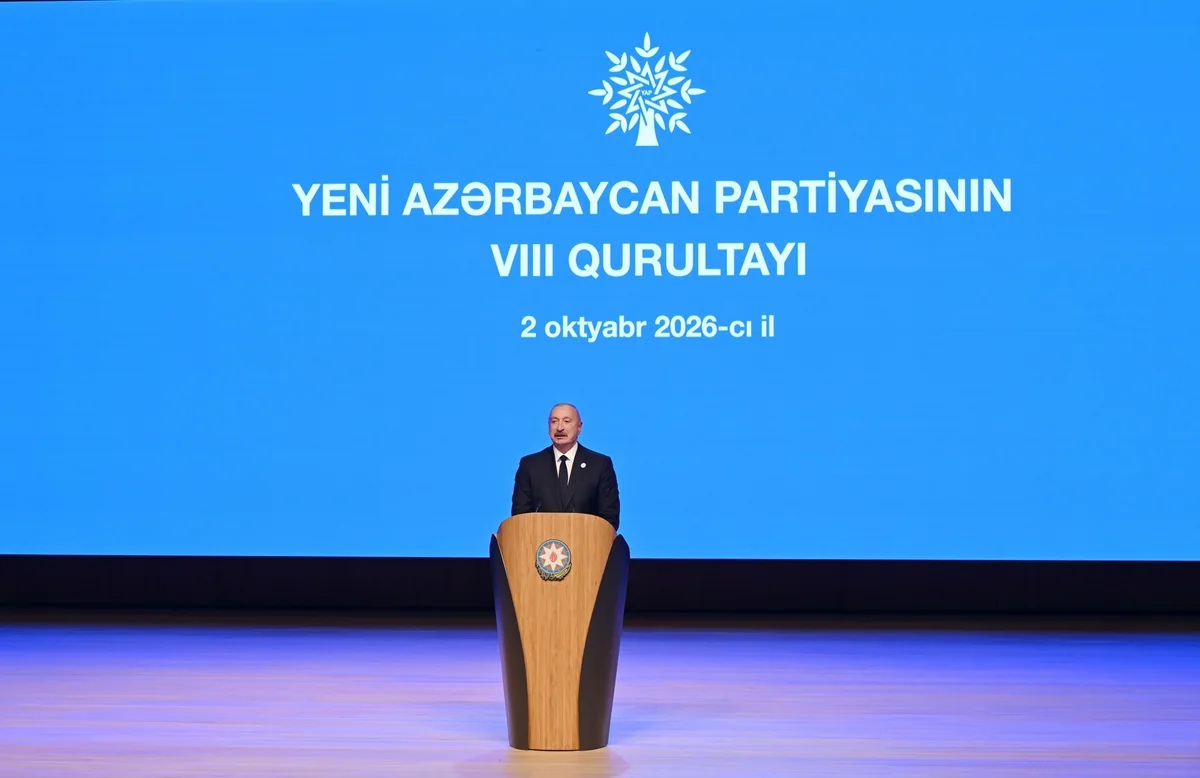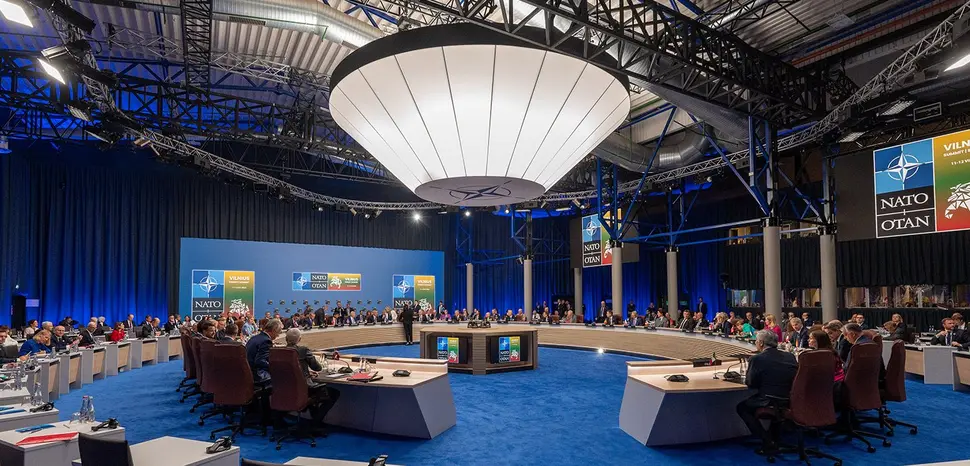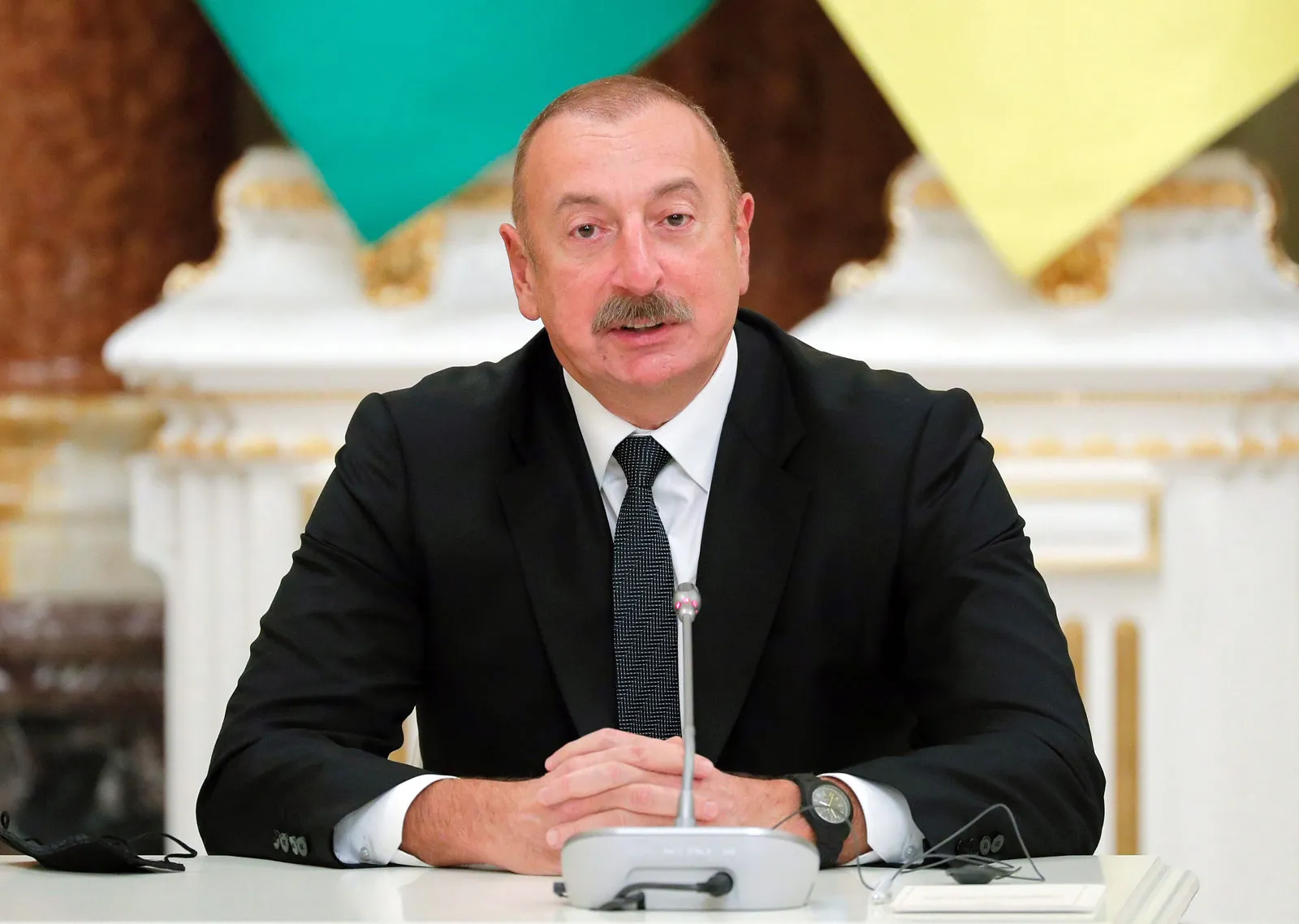
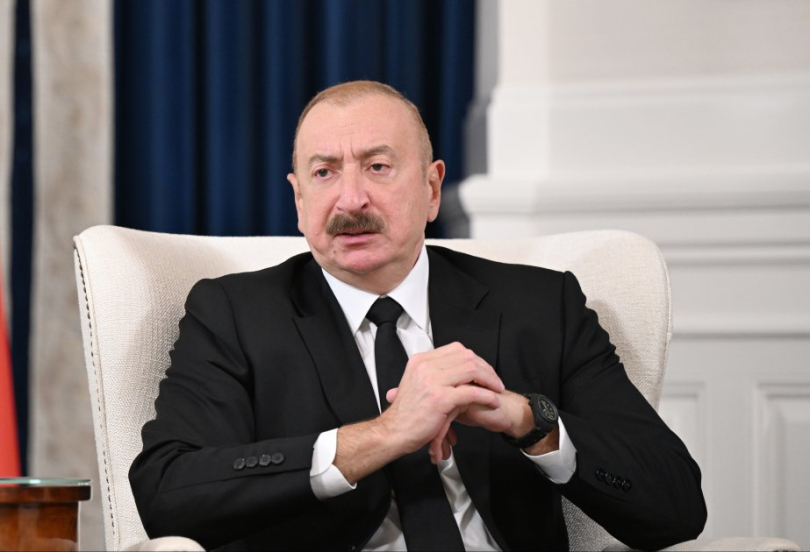
As the first quarter of the 21st century draws to a close, Azerbaijan, under the leadership of President Ilham Aliyev, is completing its transformation from a regional power hub into a global actor. For the country, 2025 marks a critical juncture, defined not only by domestic development goals but also by the consolidation of its strategic standing on the international stage. Located at the crossroads of major energy corridors, Azerbaijan has, through the President’s forward-looking policies, emerged as a symbol of stability and progress in its region.
President Aliyev’s energy strategy plays a defining role in the ongoing reconfiguration of global energy security. Within the framework of Azerbaijan–Europe energy cooperation, the expansion of the Southern Gas Corridor and the opening of new routes have become a central mechanism for diversifying Europe’s energy dependence. By 2025, Azerbaijan’s plans to increase gas exports are set to become an integral component of the European Union’s energy security strategy. This process goes beyond economic cooperation, extending into the sphere of geopolitical influence. Azerbaijan’s energy diplomacy is increasingly regarded as a key factor in strengthening Europe’s strategic autonomy, and the country’s international standing in this field continues to grow accordingly.
The liberation of occupied territories following the 44-day Patriotic War became a clear expression of President Aliyev’s strategic vision. By 2025, the reconstruction of Karabakh and East Zangezur is widely regarded at the international level as one of the most ambitious post-conflict recovery initiatives. The introduction of green energy zones, smart city concepts, and sustainable development principles positions these areas as models of twenty-first-century urban planning. President Aliyev’s Great Return program extends beyond the restoration of infrastructure, functioning as a comprehensive framework for socio-economic reintegration. This large-scale initiative is assessed by international experts as among the most successful examples of post-conflict reconstruction and is seen as a reference point for other regions emerging from conflict.
The COP29 summit held in Baku in 2024 affirmed Azerbaijan’s role in shaping the global environmental agenda. President Aliyev’s efforts to bring the perspectives of developing countries into international climate platforms exemplify diplomatic professionalism. In 2025, Azerbaijan’s green transformation strategy, centered on the transition to renewable energy sources, the pursuit of a carbon-neutral economy, and the advancement of sustainable development goals, is repositioning the country from an energy exporter to a hub for environmental innovation. Within this transformation, Azerbaijan is combining the expertise it has gained as a traditional energy producer with the deployment of green technologies, while taking an active role in mobilizing international climate finance.
The defining feature of President Ilham Aliyev’s foreign policy strategy is pragmatic balance. In 2025, amid an increasingly polarized global environment, Azerbaijan is successfully pursuing an independent and well-calibrated foreign policy model. In this context, the Zangezur Corridor project represents more than a transport route; it has become a symbol of regional economic integration and evolving geopolitical realities. The President’s diplomatic skill enables the country to maintain an autonomous position in a region marked by competition among major powers, while safeguarding national interests to the greatest extent possible.
President Aliyev’s economic reform agenda reflects a strategic shift toward the development of the non-oil sector. In 2025, priority areas include the digital economy, technology parks, tourism, and the modernization of agriculture. Azerbaijan’s ambition to become an international financial center, alongside the growth of its startup ecosystem and the transition toward an innovation-driven economy, is laying the groundwork for long-term sustainable development. This transformation represents a fundamental shift from a resource-based economic model to a knowledge-based one. Measures aimed at simplifying the tax system, improving the business environment, and attracting foreign investment constitute the core pillars of economic diversification.
Azerbaijan’s role in shaping the regional security architecture of the South Caucasus continues to expand. President Aliyev’s peace agenda, normalization talks with Armenia, the establishment of regional cooperation platforms, and the development of multilateral security mechanisms are among the processes defining the region’s future. Steps taken in this direction in 2025 are laying the foundations for long-term stability and progress across the South Caucasus. Azerbaijan’s constructive approach contributes to the creation of regional cooperation frameworks, the integration of transport and communication networks, and the expansion of economic ties.
President Aliyev’s social policy is focused on education, healthcare, and the development of human capital. In 2025, aligning higher education with international standards, advancing STEM fields, and implementing programs to train young professionals are strengthening the country’s intellectual capacity. These efforts underpin Azerbaijan’s long-term prospects in an increasingly competitive global environment. Cooperation with international universities, scholarship programs, and the establishment of research centers play an important role in shaping a new generation of specialists.
Under President Ilham Aliyev’s leadership, Azerbaijan has moved beyond the challenges of the transition period to become a state recognized at the global level, one that actively shapes regional dynamics and holds a leading position within its geopolitical space. The 2025 strategy reflects a comprehensive and forward-looking approach, spanning energy security and climate leadership, economic diversification, and regional peace. Azerbaijan’s rise is not only a national achievement but also a constructive model of regional transformation and international cooperation. President Aliyev’s strategic vision has positioned Azerbaijan as an active participant in the global agenda of the 21st century and placed the country on a sustainable development trajectory.