Executive Summary:
- Iranian drones launched from Iranian territory struck Azerbaijan’s Nakhchivan Autonomous Republic on March 5, damaging civilian infrastructure near the international airport and a school. Baku condemned the attack as terrorism and demanded explanations, an apology, and accountability from Tehran.
- Azerbaijan rejected Iran’s denial of responsibility, citing technical monitoring confirming the drones’ Iranian origin. Azerbaijani President Ilham Aliyev placed the armed forces on heightened alert and warned that Azerbaijan is prepared to retaliate against further hostile actions.
- As the broader regional conflict involving Iran, Israel, and the United States continues to unfold, the crisis between Azerbaijan and Iran appears increasingly volatile and could take an unpredictable course, with the risk of further escalation remaining high.
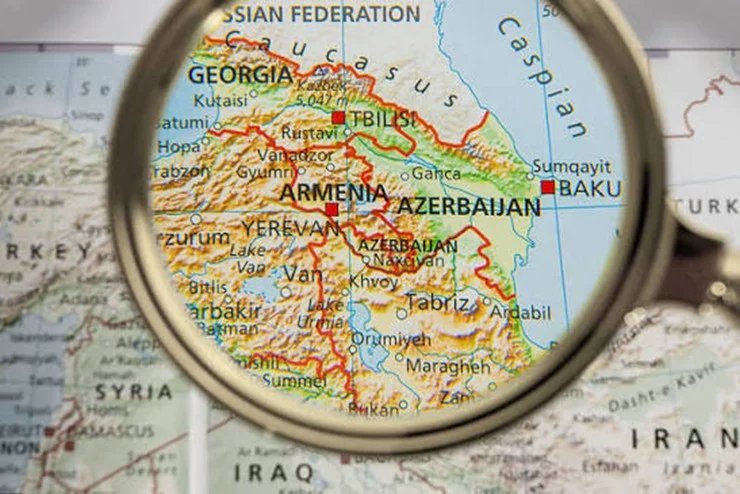
On March 5, amid the ongoing U.S.–Israeli military operations against Iran, several unmanned aerial vehicles launched from Iranian territory and targeted civilian infrastructure in Azerbaijan’s Nakhchivan Autonomous Republic. According to Azerbaijan’s Ministry of Defense, four drones were directed toward the exclave, with one intercepted by Azerbaijani air defenses while the others struck or crashed near civilian sites, including the Nakhchivan International Airport (Azerbaijani Ministry of Defense, March 5). One of the drones exploded near a secondary school during class hours. Schoolchildren were inside the building at the time, and the incident could have resulted in a major tragedy had the drone hit the school directly. The attack damaged infrastructure and injured several civilians, prompting strong condemnation from Azerbaijani authorities.
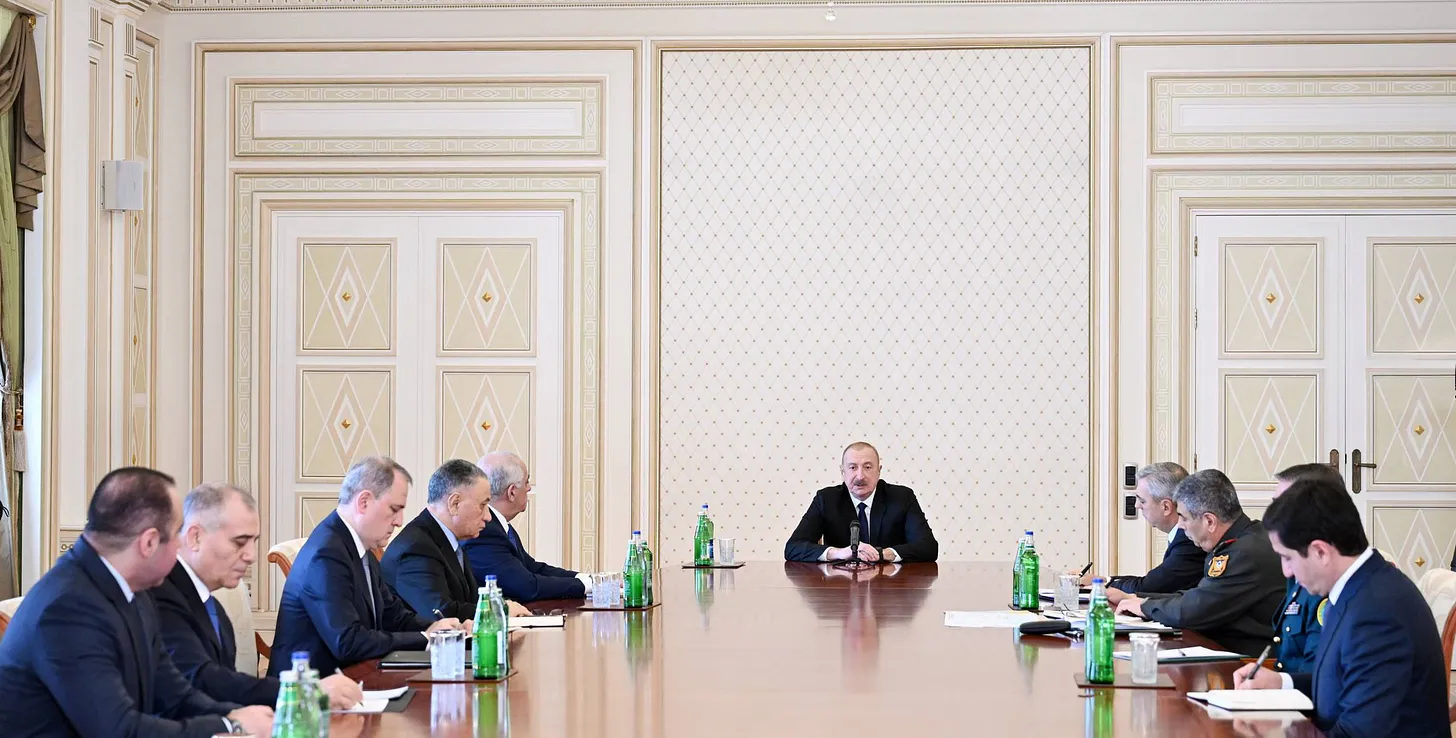
The attacks took place despite Azerbaijan’s neutral stance during the latest war. Azerbaijani President Ilham Aliyev responded forcefully to the drone attacks during an emergency meeting of Azerbaijan’s Security Council on the same day. Describing the incident as a deliberate act of aggression, Aliyev stated, “Today, a terrorist act was committed by Iran against the territory of Azerbaijan and the state of Azerbaijan” (President of Azerbaijan, March 5). The Azerbaijani president demanded accountability from Tehran and warned that the country would not tolerate such actions. “The State of Azerbaijan strongly condemns this heinous terrorist act. The Iranian side must provide an official explanation to Azerbaijan, issue an apology, and ensure that the perpetrators are held criminally accountable,” Aliyev declared (President of Azerbaijan, March 5). He also signaled the possibility of retaliation, adding that those responsible for the attack “will regret it” and cautioning that Azerbaijan is prepared to demonstrate its strength against hostile actions.
Following the incident, Azerbaijan placed its armed forces on heightened alert. According to Aliyev, the Ministry of Defense, the State Border Service, and special forces units were brought to the highest level of combat readiness. The Ministry of Defense similarly stated that the Azerbaijani Armed Forces had prepared retaliatory measures aimed at protecting the country’s territorial integrity. “These acts of aggression will not remain unanswered,” the ministry said (Azerbaijani Ministry of Defense, March 5).
Tehran denied responsibility for the attack. Iran’s General Staff of the Armed Forces denied the claims that their armed forces had deliberately targeted Azerbaijani territory and insisted that Iran respects the sovereignty of neighboring states (Azernews.az, March 5). Similarly, Iranian Foreign Minister Seyid Abbas Araghchi, in a telephone call with his Azerbaijani counterpart, Jeyhun Bayramov, stated that Iran “respects the sovereignty of all countries, particularly Muslim and neighboring states,” and announced that the Iranian authorities had launched an investigation into the incident (Azertag.az, March 5).
Azerbaijan rejected the denial. Responding to the Iranian claims, Azerbaijan’s Ministry of Defense stated that the evidence clearly showed the drones originated from Iranian territory (Azerbaijani Ministry of Defense, March 5). The ministry said technical monitoring confirmed that four drones were directed from Iran toward Nakhchivan. Azerbaijan also made clear that it expects an official apology from Tehran and concrete steps to prevent similar incidents in the future.
The drone attacks occurred against the backdrop of rising tensions between the two countries over the past year. Iranian officials and media outlets have repeatedly accused Azerbaijan of assisting Israel during the twelve-day war between the two countries in June 2025 (Tehran Times, June 30, 2025; Caspian Post, July 3, 2025; Iranintl.com, September 1, 2025; Amwaj.media, February 10). These accusations suggested that Israeli drones or aircraft might have used Azerbaijani territory or airspace during operations against Iranian targets. Aliyev has firmly rejected these claims, stressing that Azerbaijan has never allowed its territory or airspace to be used for attacks against neighboring countries (President of Iran, June 26, 2025).
The drone attacks against Nakhchivan triggered strong international reactions, with several countries expressing support for Azerbaijan’s sovereignty and territorial integrity. Türkiye issued one of the strongest responses, condemning the attack and warning that strikes against third countries risk expanding the ongoing regional conflict. “Türkiye will continue to stand by Azerbaijan, as it always has,” the Turkish Foreign Ministry stated (Turkish Ministry of Foreign Affairs, March 5). Turkish President Recep Tayyip Erdoğan also spoke with Aliyev by phone to express solidarity with the Azerbaijani people (Daily Sabah, March 5).
Other regional partners voiced similar support. Georgia condemned the attack and emphasized the importance of preserving regional stability, while Pakistan and the United Arab Emirates also expressed solidarity with Azerbaijan. Several European officials criticized the strikes and warned that such actions risk widening the conflict beyond the Middle East. Armenia also called Azerbaijan’s foreign minister and discussed the situation following the drone attacks (Azertag.az, March 6)
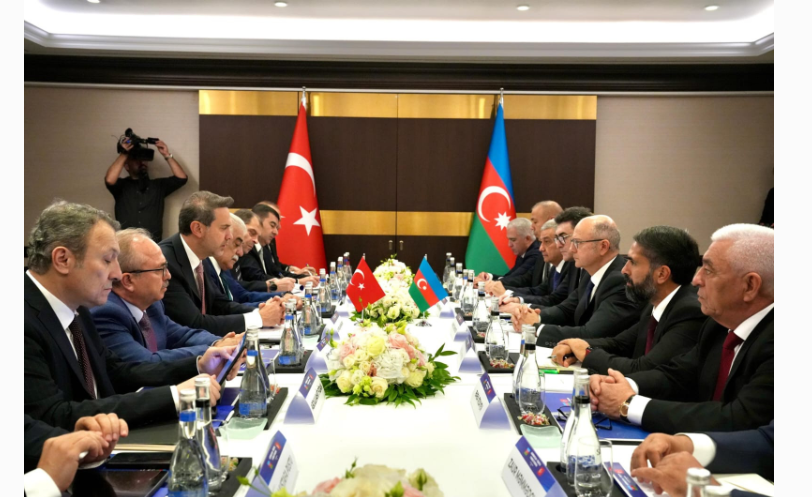
The Organization of Turkic States (OTS) convened an emergency meeting of foreign ministers in Istanbul on March 7 to discuss the situation. In a joint statement, the ministers strongly condemned the attacks targeting the Nakhchivan Autonomous Republic. They reaffirmed their full support for Azerbaijan’s sovereignty, territorial integrity, and security (Turkish Ministry of Foreign Affairs, March 7).
Azerbaijani authorities have revealed evidence of broader security threats allegedly linked to Iran. The State Security Service announced that it had thwarted several terror and sabotage plots organized by individuals connected to Iran’s Islamic Revolutionary Guard Corps (IRGC) (Azertag.az, March 6). According to investigators, the network had planned attacks against a range of strategic targets, including the Baku–Tbilisi–Ceyhan oil pipeline, the Israeli Embassy in Azerbaijan, and Jewish religious institutions in the country. The plots allegedly involved both Iranian nationals and Azerbaijani citizens recruited by Iranian intelligence networks. Some individuals were reportedly tasked with reconnaissance missions and assassination plans targeting public figures and members of the Jewish community.
At the same time, hardline voices in Iran have increased pressure on Azerbaijan. Media outlets affiliated with the IRGC have warned Baku to reconsider its strategic cooperation with Israel and suggested that infrastructure linked to Israel’s energy security could become a target (Caspian Post, March 7). In particular, Iranian commentators have described the Baku–Tbilisi–Ceyhan oil pipeline as part of Israel’s strategic energy supply chain. Against this backdrop, Azerbaijan has taken precautionary diplomatic measures, including withdrawing its diplomatic personnel from its embassy in Tehran and its consulate in Tabriz due to security concerns (APA, March 6).
The combination of drone strikes, covert security threats, and escalating rhetoric has pushed relations between Baku and Tehran into a new and dangerous phase. Even though diplomatic contacts continue and Iran has launched an investigation into the incident, mistrust between the two sides is growing. As the broader regional conflict involving Iran, Israel, and the United States continues to unfold, the crisis between Azerbaijan and Iran appears increasingly volatile. Unless tensions are quickly de-escalated through diplomatic channels, the situation could take an unpredictable course, with the risk of further escalation remaining high.